

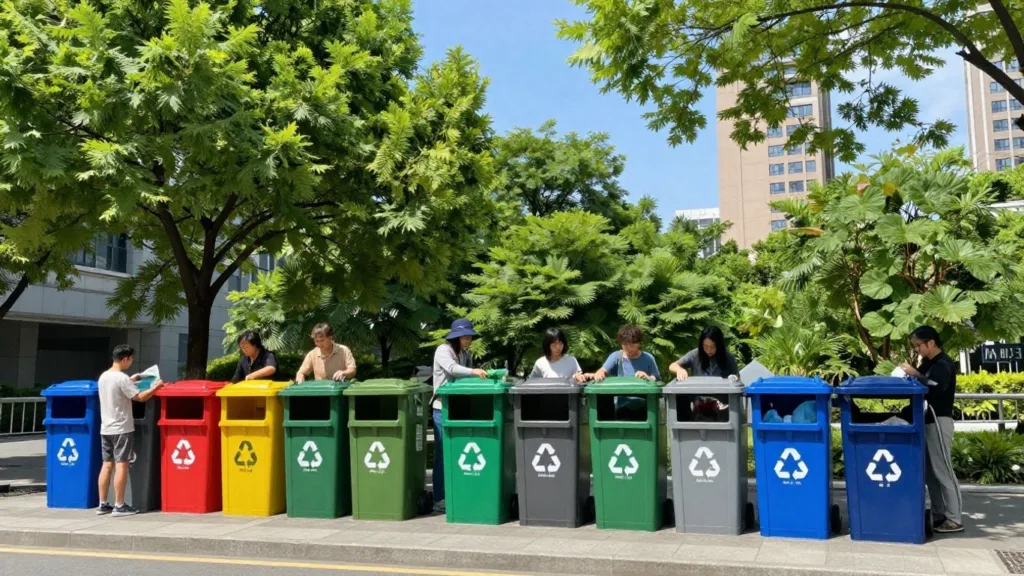
We all make trash, right? It’s just a part of life. But what happens to all that stuff after we toss it? It’s a question that’s more important than you might think. When garbage isn’t handled right, it can cause all sorts of problems, from polluting our planet to making people sick. That’s where proper waste management disposal comes in. It’s basically the system we use to deal with our waste in a way that’s good for us and the environment. Let’s break down what that means and why it’s such a big deal.
Key Takeaways
- Proper waste management keeps our air, water, and land clean by stopping pollution.
- It helps keep communities healthy by reducing the spread of diseases from trash and pests.
- Recycling and reusing materials saves natural resources and uses less energy.
- Good waste handling creates jobs and can make cities more attractive places to live and visit.
- When we manage our waste better, we move towards a more sustainable future for everyone.
Understanding Waste Management: A Definition
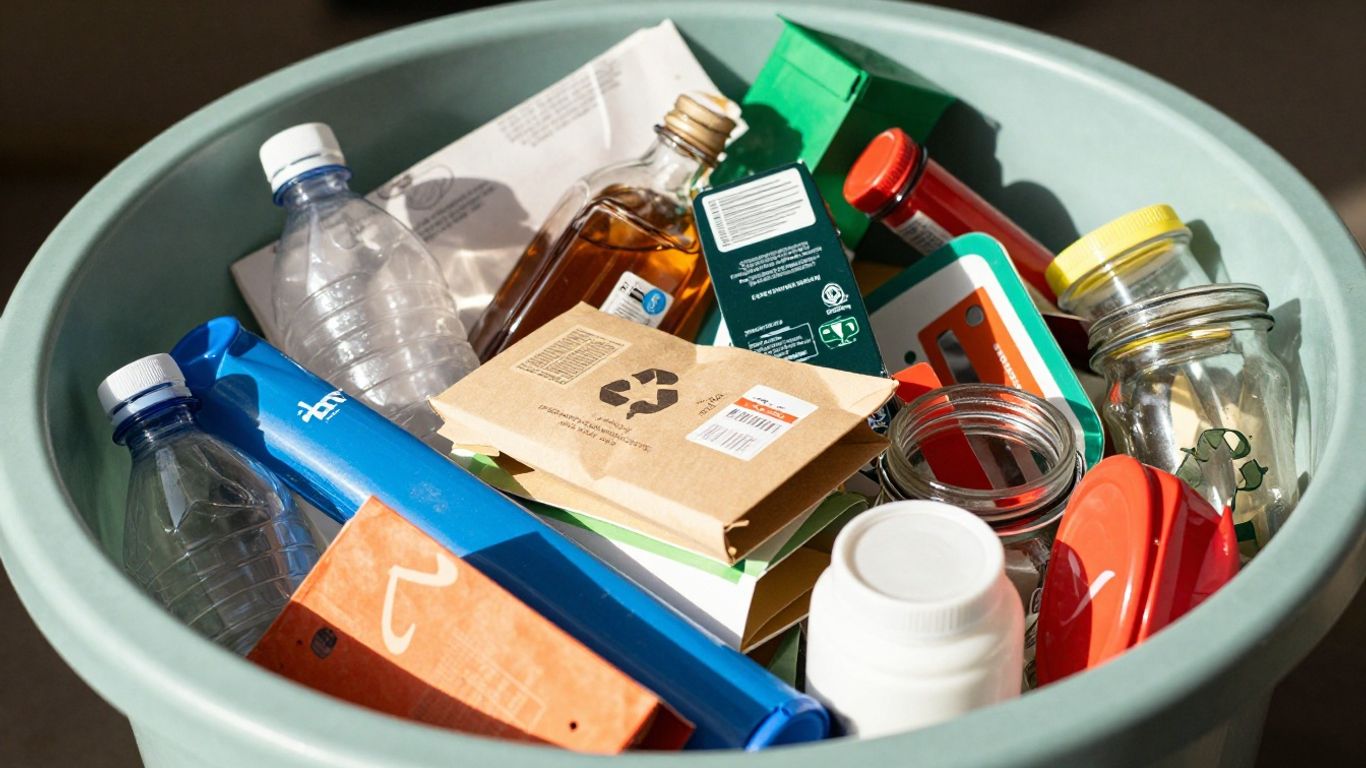
So, what exactly are we talking about when we say ‘waste management’? It’s basically all the stuff we do to handle trash and garbage, from the moment it’s created until it’s finally dealt with. Think of it as the entire journey of your discarded items. This includes collecting it, moving it around, processing it, and ultimately, getting rid of it in a way that doesn’t cause a mess.
What Constitutes ‘Proper’ Waste Management?
When we talk about ‘proper’ waste management, we’re really talking about doing things the smart way. It’s not just about throwing things away; it’s about doing it responsibly. This means minimizing the amount of trash we make in the first place, figuring out what can be reused or turned into something new, and then, only when necessary, disposing of the rest safely. The goal is to reduce the burden on our planet and make sure we’re not just creating problems for the future.
Here’s a breakdown of what that looks like:
- Refuse: This is the first and best step – simply not taking things you don’t need, especially if they come with a lot of packaging. Say ‘no thanks’ to unnecessary items.
- Reduce: If you can’t refuse it, try to cut down on how much you use. For example, printing documents double-sided instead of single-sided cuts your paper waste in half.
- Reuse: Before tossing something, think if it can be used again. This could be anything from refilling a water bottle to finding a new purpose for an old jar.
- Recycle: If an item can’t be refused, reduced, or reused, then recycling is the next best option. This process turns old materials into new products, saving resources.
Managing waste properly isn’t just a chore; it’s a system designed to protect our environment and our health. It involves a series of actions, from preventing waste creation to finding safe final resting places for what’s left. It’s about being mindful of the entire lifecycle of the things we use and discard.
Different situations call for different approaches. For instance, a big construction project might need a large roll-off dumpster to handle all the debris, while your household might focus more on sorting recyclables and compostables. The key is that whatever method is used, it’s done with an eye toward minimizing harm and maximizing resource recovery.
The Crucial Importance of Proper Waste Management
Look, we all make trash. It’s just a part of life, right? But what happens to all that stuff after we toss it? That’s where things get really important. When we don’t handle our waste right, it doesn’t just disappear. It can cause some serious problems for our planet and for us.
Environmental Protection: Preventing Pollution
Think about it: trash dumped in the wrong place can really mess things up. Plastic bags end up in rivers, chemicals from old batteries can soak into the ground, and burning garbage can fill the air with yucky stuff. Proper waste management stops this pollution before it starts. It means keeping trash out of our natural spaces, protecting the soil we grow food in, the water we drink, and the air we breathe. It’s about preventing the environmental impact of waste.
Public Health and Safety
Garbage piles aren’t just an eyesore; they’re a health hazard. They become magnets for pests like rats and flies, which can spread diseases. In crowded areas, this can quickly turn into a big problem. Good waste handling keeps these disease carriers away and makes our communities safer. It also means that the folks who collect our trash have the right gear and training to handle potentially hazardous materials safely, reducing injuries.
Economic Benefits of Effective Waste Management
Believe it or not, managing waste well can actually help the economy. When cities are cleaner, they tend to attract more businesses and tourists. Plus, the waste management industry itself creates jobs – from collection and sorting to recycling and processing. Some studies show that composting, for example, can create more jobs than landfilling. Investing in sustainable garbage solutions can pay off.
Resource Conservation and Sustainability
We live on a planet with limited resources. When we just throw everything away, we’re essentially throwing away valuable materials that could be used again. Proper waste management, especially through recycling and composting, helps us conserve these resources. It’s a big part of moving towards a circular economy, where we try to reuse and repurpose things as much as possible instead of just making new stuff all the time. This is key for long-term sustainability and reducing our overall footprint.
Key Components of a Proper Waste Management System
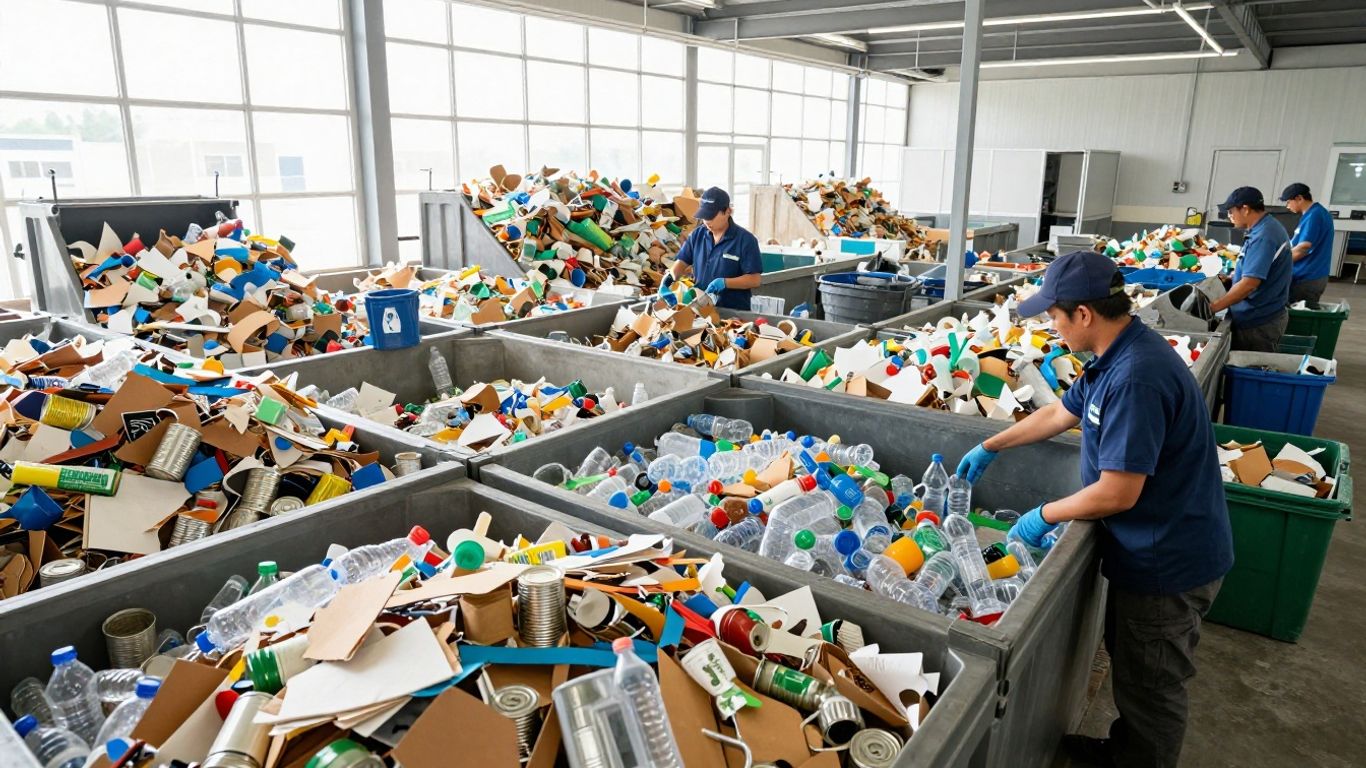
So, we’ve talked about why proper waste management is a big deal. Now, let’s get into what actually makes up a good system. It’s not just about tossing stuff in a bin and hoping for the best. Think of it as a multi-step process designed to handle our trash responsibly.
Waste Reduction and Prevention
This is really the first and most important step. If we can make less trash in the first place, everything else becomes a lot easier. It means thinking about what we buy and how we use it. For example, choosing products with less packaging or opting for reusable items over single-use ones makes a difference. It’s about being mindful before the waste even exists.
- Choose reusable bags instead of plastic ones at the store.
- Buy in bulk when possible to cut down on packaging.
- Repair items instead of immediately replacing them.
The goal here is to stop waste at its source. It’s more effective and often cheaper in the long run than dealing with trash later.
Recycling and Composting
Once we’ve reduced what we can, the next step is to sort what’s left. Recycling turns old materials into new products, saving resources and energy. Composting takes organic waste, like food scraps and yard trimmings, and turns it into nutrient-rich soil. Both are super important for keeping stuff out of landfills.
Here’s a quick look at what can often be recycled or composted:
| Material Type | Recycling | Composting |
| Paper & Cardboard | Yes | No (unless soiled) |
| Glass Bottles & Jars | Yes | No |
| Plastic Bottles & Containers | Yes | No |
| Food Scraps | No | Yes |
| Yard Waste | No | Yes |
Safe Disposal Methods (Landfills, Incineration)
Even with all our efforts to reduce, reuse, and recycle, some waste will always remain. This is where safe disposal comes in. Modern landfills are designed to contain waste and prevent pollution. They have liners to stop liquids from leaking into the ground and systems to capture gases produced by decomposing trash. Incineration, or burning waste, can reduce its volume significantly and sometimes generate energy, but it needs strict controls to manage air emissions. These methods are the last resort for waste that can’t be handled otherwise.
- Landfills: Engineered sites for burying waste, with measures to control environmental impact.
- Incineration: Burning waste at high temperatures, often with energy recovery, but requiring careful emission control.
- Waste-to-Energy: A form of incineration that specifically aims to produce electricity or heat.
Your Role in Proper Waste Disposal
So, we’ve talked about why managing trash is a big deal, but what about us? What’s our part in all this? It turns out, we’re pretty important.
Every single one of us makes choices every day that affect how waste is handled. It’s not just up to the city or some big company. Think about it: that plastic bottle you toss, the food scraps you scrape into the bin, the old electronics you’re done with – they all have to go somewhere.
Here’s a quick rundown of what you can do:
- Reduce what you use: Before you even buy something, ask yourself if you really need it. Can you get something with less packaging? Can you borrow it instead?
- Reuse items: Jars, bags, containers – lots of things can be used more than once. Get creative!
- Recycle right: Know what your local program accepts. “Wish-cycling” (throwing something in the bin hoping it’s recyclable) can actually mess up the whole process.
- Compost if you can: Food scraps and yard waste make up a huge chunk of what we throw away. Composting turns that into something useful for gardens.
- Dispose of tricky items properly: Things like batteries, old paint, or electronics need special handling. Don’t just chuck them in the regular trash.
Using effective trash disposal methods and safe refuse removal techniques starts at home. It means taking a few extra seconds to sort your waste, rinsing out containers, and knowing where to take things that can’t go in your curbside bin. It might seem small, but when millions of us do it, it makes a massive difference.
When we don’t manage our waste well, it doesn’t just disappear. It can end up polluting our water, harming wildlife, and making our communities less healthy. Taking a moment to sort your trash is a simple act that protects the world around us.
It’s about being mindful of the lifecycle of the things we use and making conscious decisions to minimize our impact. It’s not always easy, and sometimes the rules can be confusing, but making an effort is what counts.
Make waste management easy, efficient, and environmentally responsible with the right solution for your project. Whether you’re tackling a home renovation, construction job, or major cleanup, choosing a reliable Bin Rental Toronto service ensures your waste is handled properly from start to finish. Avoid clutter, stay compliant with local regulations, and keep your space clean and organized. Book your bin today and experience a hassle-free way to manage waste while contributing to a cleaner, greener community.
So, What’s the Takeaway?
Look, we all make trash. It’s just a part of life, right? But how we deal with that trash? That’s where things get really important. Proper waste management isn’t just about keeping our streets clean, though that’s a big part of it. It’s about protecting our planet, our health, and even our future. When we sort our recycling, compost our food scraps, and make sure hazardous stuff goes where it should, we’re doing more than just tidying up. We’re helping keep our water clean, our air breathable, and our communities safer. It’s a team effort, and every little bit we do makes a difference in the long run.
Frequently Asked Questions
What happens if we don’t manage our trash properly?
If trash isn’t handled right, it can pile up everywhere! This means dirty streets, lots of bugs and rodents carrying diseases, and harmful stuff leaking into our soil and water. It can also make the air dirty if trash is burned. Basically, everything gets messier and less healthy for us and nature.
How does managing waste help the planet?
When we manage waste well, we stop pollution from harming nature. Recycling and reusing materials means we don’t have to dig up or cut down as many new resources. It also helps fight climate change because landfills create gases that warm the planet, and making new things often uses a lot of energy.
Is recycling the only important part of waste management?
Recycling is super important, but it’s just one piece of the puzzle! We also need to try and make less trash in the first place (reduce), use things again (reuse), and fix or change old items into new ones (repurpose). Proper disposal of what’s left is also key.
Who is in charge of making sure waste is managed correctly?
It’s a team effort! Governments create the rules and systems for collecting and dealing with trash. Businesses have to follow these rules. And we all play a part at home by sorting our trash correctly and trying to create less waste.
What is composting and why is it good?
Composting is like turning food scraps and yard waste into super soil. Instead of throwing these things in the trash where they make yucky gases in landfills, they break down naturally. This compost can then be used to help plants grow, which is great for gardens and farms.
Can managing waste help create jobs?
Yes, it absolutely can! Collecting, sorting, recycling, and properly disposing of waste all require people to do the work. Building and running recycling centers and treatment plants creates jobs, and a cleaner environment can also attract more businesses and tourists.