

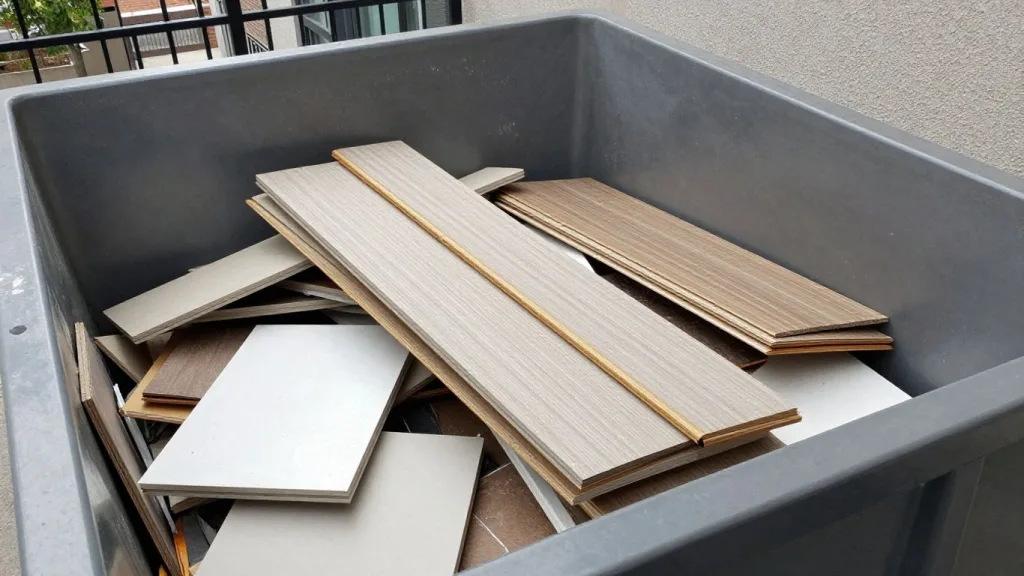
Renovating a condo in Toronto can create a surprising amount of waste. Old cabinets, drywall, flooring, bathroom fixtures, packaging, wood and other renovation debris can quickly take over a unit, hallway or loading area.
The challenge is that condo renovations are not managed the same way as renovations at a detached home. You may need approval from the condo board or property manager, coordinate access through a loading area, work around building rules and make sure the bin can be delivered and picked up safely.
If you’re considering condo renovation bin rental Toronto services, it’s important to plan the waste removal before the renovation begins. The right bin can help keep demolition debris contained and make cleanup easier throughout the project.
Toronto does not collect many renovation materials through regular curbside collection. Depending on the material, homeowners may need to use a City Drop-Off Depot or a private disposal service.
So, can you use a bin for condo renovation waste in Toronto?
Yes, a rental bin can be a practical option, provided the building allows it, the location is suitable and the waste is accepted by the rental provider.
Key Takeaways
A condo renovation can produce more waste than your building’s regular collection system can handle. Planning the rules, placement, materials, and access helps you choose a workable disposal option.
- Check building policies and municipal requirements before booking a bin.
- Confirm where a container can be placed and whether a permit is needed.
- Sort materials and ask which items the rental provider accepts.
- Estimate the volume and weight of debris before choosing a bin size.
- Coordinate delivery and pickup around building access and renovation timing.
Why Condo Renovation Waste Can Be Difficult to Manage
Condo renovation waste presents a few challenges that homeowners may not encounter with a typical house renovation.
A detached home may have a driveway where a bin can be delivered directly beside the property. A condo may have underground parking, a shared driveway, a loading zone or a limited-access service area instead.
There can also be restrictions on when contractors can bring materials through common areas. Some buildings require advance notice for deliveries, while others have designated hours for loading and unloading.
The type of renovation matters too. A bathroom renovation may produce relatively compact but heavy waste such as tile, drywall and fixtures. A kitchen renovation can produce bulky cabinets, countertops and flooring. A larger condo renovation may generate several types of debris at the same time.
Planning the waste removal before demolition begins helps prevent renovation debris from accumulating inside the unit or common areas.
Are Rental Bins Allowed at Toronto Condos?
There is no single rule that applies to every condo building. The building’s own policies can affect whether and where a rental bin can be placed.
Before ordering a bin, confirm the requirements with the condo board, property manager or building superintendent.
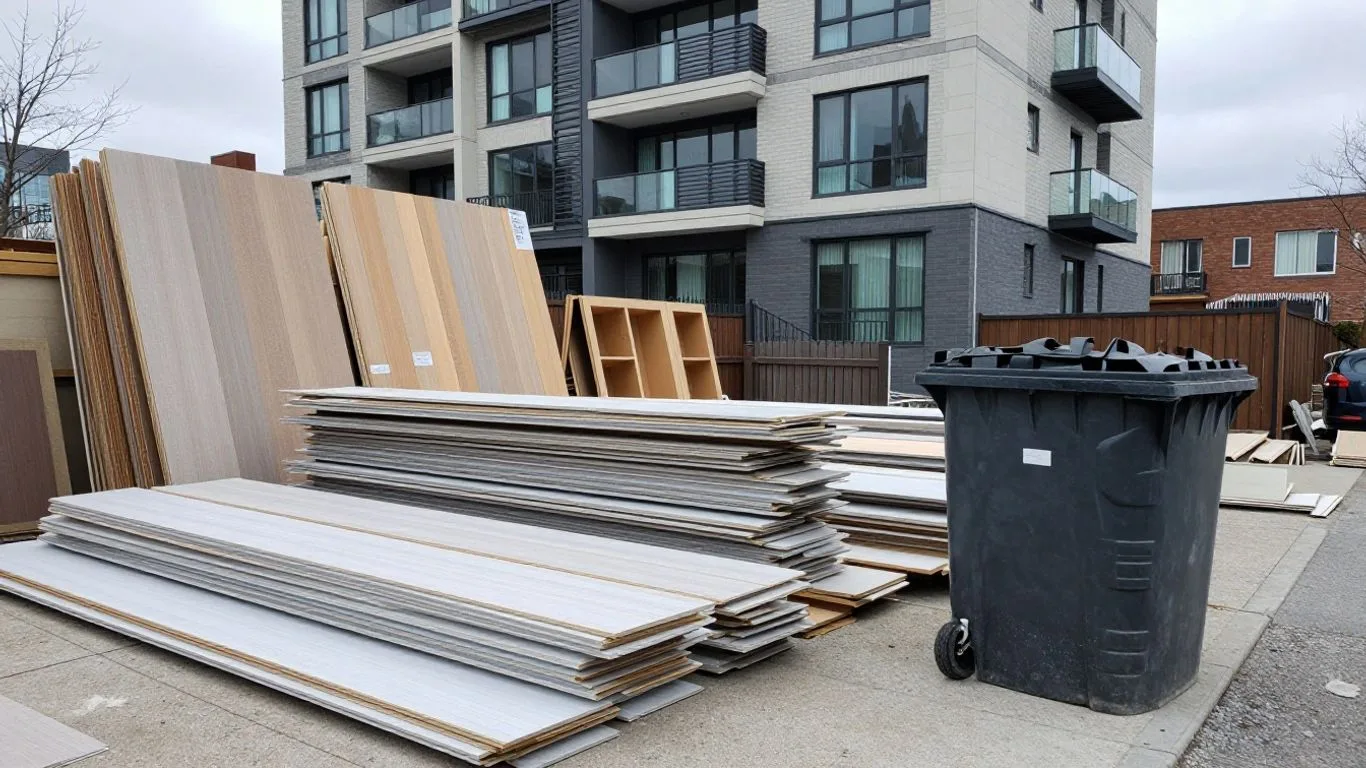
Check With Your Condo Board or Property Manager
Ask whether the building permits temporary disposal bins and whether there is a designated location for them.
You may also need to provide the delivery date, pickup date, bin dimensions or information about the contractor handling the renovation.
For buildings with a shared loading area, advance coordination is particularly important. Another contractor, resident or delivery may already be scheduled to use the same space.
Confirm Building and Waste Disposal Rules
The building may have additional requirements for renovation waste.
For example, the property manager may require debris to be moved through a specific service elevator instead of a passenger elevator. There may also be rules about protecting floors, walls and common areas during waste removal.
These are building-specific requirements, so confirm them before scheduling delivery.
Where Can a Rental Bin Be Placed at a Condo?
The available placement area is one of the most important things to confirm before booking.
A bin needs a suitable location that allows the delivery vehicle to access the property and later remove the container safely.
Driveways, Loading Areas and Designated Spaces
Depending on the property, a suitable location may include a private driveway, designated loading area or another space approved by the building.
A condo loading area may seem like the obvious choice, but it may already be used for deliveries, moving trucks or other contractors. Always confirm that the space can be reserved or used for the duration of your rental.
If the bin needs to occupy a roadway, public lane, sidewalk or other part of Toronto’s public right of way, additional municipal requirements may apply.
For a more detailed explanation of local placement and permit considerations, review our guide to Toronto bin placement rules.
Space and Clearance Requirements
The delivery location needs enough room for the truck to approach, position the bin and leave safely.
Before delivery, check for:
- Low overhead structures
- Narrow entrances
- Parked vehicles
- Gates
- Utility equipment
- Other vehicles or construction equipment
- Underground or enclosed parking restrictions
If the only available location is inside an underground parking area, do not assume a bin can be delivered there. Confirm the access and clearance requirements with the building and rental provider first.
What Renovation Materials Can Go in a Rental Bin?
The materials accepted depend on the bin type and the rental provider.
Common renovation materials can include drywall, flooring, cabinets, wood, tiles and other demolition debris, depending on the service selected.
Always confirm your specific materials before delivery rather than assuming everything from a renovation can go into the same bin.
Drywall, Flooring and Cabinets
Common condo renovation materials can include drywall, flooring, cabinets, wood and other demolition debris.
A bathroom renovation may involve drywall, tile, a vanity and fixtures, while a kitchen renovation can produce cabinets, countertops, flooring and packaging.
If your renovation includes a large quantity of one material, tell the bin provider what you are removing. This is especially important for heavy materials such as tile, concrete or other dense debris.
Fixtures and General Renovation Debris
Depending on the rental service and material restrictions, renovation waste may also include items such as bathroom fixtures, wood, packaging, furniture and general demolition debris.
The key is to separate materials that require special handling and confirm whether mixed loading is permitted.
What Materials Cannot Go in a Rental Bin?
A rental bin is not a solution for every type of waste.
Hazardous materials and other restricted items may require separate disposal. Examples can include certain chemicals, paints, batteries, asbestos-containing materials and other regulated waste.
Because accepted materials can vary by provider and bin type, check the rental agreement before starting demolition.
If you are unsure about a material, identify it before placing it in the bin. Removing a prohibited item after it has been mixed with other waste can be much more difficult.
How Much Waste Will Your Condo Renovation Produce?
There is no universal amount because the volume depends on the size and type of renovation.
A small bathroom renovation may generate less waste than a full kitchen renovation. Removing multiple rooms, flooring, cabinets and drywall can increase the volume considerably.
| Condo project | Potential waste |
|---|---|
| Bathroom renovation | Tile, drywall, vanity, fixtures and packaging |
| Kitchen renovation | Cabinets, countertops, flooring, drywall and packaging |
| Flooring replacement | Old flooring, underlay, trim and packaging |
| Multiple-room renovation | Mixed demolition debris, wood, drywall and fixtures |
| Major interior renovation | Larger quantities of mixed construction debris |
The best estimate comes from looking at what will actually be removed rather than simply choosing a bin based on the size of the condo.
Choosing the Right Bin Size for Your Condo Project
Rent A Bin offers 5, 10, 14 and 20-yard disposal bin options. The right size depends on the amount and type of material being removed.
A smaller bin may make sense for a limited bathroom or single-room project, while a larger renovation may require more capacity.
The physical dimensions of the bin matter as much as its capacity in a condo environment. A larger bin may hold more waste but may not be practical if the building has limited access or a restricted loading area.
If you need to compare available sizes before booking, see our Toronto bin rental options.
What If Your Condo Has Limited Space for a Bin?
Limited space does not automatically mean that a bin is impossible, but it does mean that delivery needs more planning.
Start by identifying the closest approved location where a truck can safely access the property.
If a loading area is shared, ask the property manager whether it can be reserved. If parking spaces are involved, confirm who controls them and whether temporary use is permitted.
For smaller renovations, choosing a compact bin can also make placement easier. Do not select a larger container simply because it provides more capacity if the building cannot accommodate it.
How Condo Access Affects Bin Delivery and Pickup
Condo access should be discussed before the delivery date.
A rental company needs to know where the bin is going and whether the delivery vehicle can reach that location.
Consider:
- Building entrance location
- Loading dock access
- Gate restrictions
- Height limitations
- Narrow driveways
- Underground parking
- Scheduled delivery windows
- Other vehicles occupying the loading area
For example, a bin may fit physically in a loading area but still be impractical if the delivery truck cannot safely reach the space.
Providing accurate access information before delivery can help prevent unnecessary delays.
How Long Should You Rent a Bin for a Condo Renovation?
Renovation schedules can change, so the rental period should match the expected demolition and cleanup timeline.
Rent A Bin offers a one-week rental period. If you expect the project to take longer, confirm extension options before booking.
For a short renovation, having the bin available throughout demolition can be convenient. For a larger project, coordinate pickup with the contractor’s cleanup schedule so the bin is not removed before the waste is ready.
How to Prepare Renovation Waste Before Bin Pickup
The easiest pickup is one where the waste has been loaded safely and the bin remains accessible.
Break down bulky materials where practical and keep waste inside the container. Do not allow debris to extend above the permitted fill level.
Separate prohibited or restricted materials before loading. If you are dealing with heavy materials such as concrete, asphalt or large quantities of tile, confirm the appropriate disposal option with the provider first.
Planning the waste before pickup also makes the loading area easier to keep organized during a condo renovation.
Bin Rental vs. Multiple Trips to a Toronto Waste Facility
Taking renovation waste to a Toronto Drop-Off Depot yourself can work for smaller amounts of material, but it requires a suitable vehicle, loading time and potentially multiple trips if the project generates a significant volume.
A rental bin provides a different approach: the container is delivered to the project location, renovation waste is loaded during the project and the bin is removed afterward.
For homeowners managing a larger interior renovation, this can reduce the amount of time spent transporting debris away from the property.
When Is Renting a Bin the Better Option?
A rental bin can make sense when your condo renovation will generate enough waste that carrying it away in bags, vehicles or small loads becomes inconvenient.
It may be particularly useful when:
- Multiple rooms are being renovated
- Cabinets or flooring are being removed
- Large quantities of drywall or wood are being demolished
- The project will generate waste over several days
- You do not have a suitable vehicle for repeated disposal trips
- The building has an approved location for temporary waste storage
For contractors managing ongoing renovation work, a dedicated construction bin rental in Toronto can provide a more organized way to manage job-site debris.
What Should You Confirm Before Booking a Bin?
Before scheduling delivery, confirm these details:
- Building approval: Ask the condo board, property manager or superintendent whether a bin is permitted.
- Placement: Confirm the exact location where the bin can be placed.
- Access: Make sure the delivery truck can safely reach the location.
- Building restrictions: Check loading dock, elevator and delivery-hour requirements.
- Waste type: Tell the rental provider exactly what materials you expect to dispose of.
- Bin size: Choose a size that matches both your waste volume and available space.
- Rental period: Confirm how long the bin will remain on site.
- Pickup: Make sure the bin and access route will be clear when pickup is scheduled.
- Public property: If the bin will occupy a public roadway, lane, sidewalk or boulevard, check whether additional municipal approval is required.
Planning these details before demolition begins can prevent avoidable problems later.
Ready to Plan Your Toronto Condo Renovation Waste Removal?
A condo renovation does not have to mean piles of debris sitting inside the unit or repeated trips to a disposal facility.
The key is to plan waste removal alongside the renovation itself. Confirm building approval, identify an accessible placement area, check which materials are accepted and choose a bin size that fits both your project and the property.
Rent A Bin provides disposal bins in multiple sizes for renovation and construction waste in Toronto. When you are ready to arrange your bin, you can use our online booking or contact the team to discuss your project and waste requirements.
Frequently Asked Questions About Condo Renovation Bin Rentals
Can I put a rental bin in a condo parking area?
Possibly, but you need approval from the building and must confirm that the location is suitable for delivery and pickup. Do not assume a parking space or loading area can be used without permission.
Do I need approval from my condo board?
Building approval may be required depending on the condo’s rules. Contact the property manager or condo board before scheduling delivery.
Can I put drywall and flooring in the bin?
These materials may be accepted depending on the bin type and rental provider. Always confirm the materials you plan to dispose of before booking.
How much renovation waste can a bin hold?
Capacity depends on the bin size and the type of waste. Rent A Bin offers 5, 10, 14 and 20-yard options. Choosing the right size requires considering both the volume and weight of the materials being removed.
How long can I keep the bin?
Rent A Bin offers a one-week rental period. If your renovation requires more time, confirm availability and extension terms before booking.
Can a bin be delivered to a condo with limited access?
It may be possible, but access needs to be assessed before delivery. Narrow entrances, low clearances, underground parking and shared loading areas can affect where the bin can be placed.
How do I choose the right bin for my renovation?
Start with the type and amount of waste you expect to remove, then consider the available space at the condo. If you are unsure, provide the rental company with details about the renovation and the materials being removed so they can help identify a suitable option.