

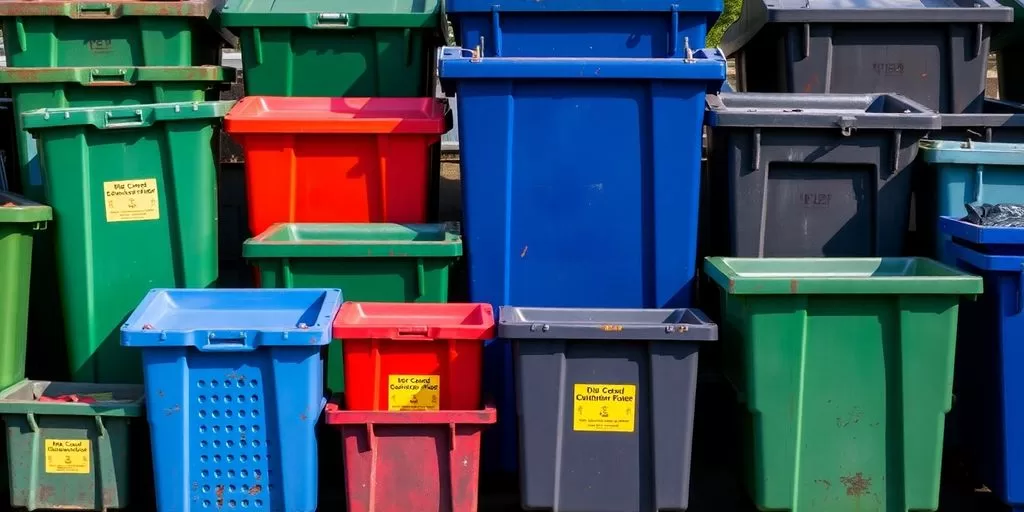
So, you’re getting ready to tackle a project in Toronto and need a construction bin? It’s not as simple as just grabbing the first one you see. Picking the right size for your Toronto construction bin rental can save you a lot of hassle and money. Think about it – too small and you’re making extra trips or paying for another bin. Too big, and you’re paying for space you don’t need. Let’s break down what you need to know to get the right bin for your job.
Key Takeaways
- Choosing the correct bin size for your Toronto construction bin rental is important to avoid extra costs and project delays.
- Common bin sizes in Toronto range from 05 to 40 cubic yards, with smaller ones for minor jobs and larger ones for major construction.
- Consider the type of project, the estimated volume of debris, and the space available for the bin when making your selection.
- Always check local Toronto regulations and permit requirements for bin placement and disposal.
- Understanding pricing structures and avoiding overfilling can help you save money on your rental.
Why Choosing the Right Construction Bin Size Matters
Picking the right size bin for your construction project in Toronto isn’t just about having a place to toss your junk; it’s a pretty big deal for keeping things running smoothly and without costing you extra cash.
Think about it: if you get a bin that’s too small, you’ll end up with trash piled high, blocking walkways and making it tough for your crew to work. This can really slow down your project, and you might even have to pay extra for a second bin or for the company to come pick up an overloaded one. On the flip side, renting a bin that’s way too big means you’re paying for space you don’t need. It’s like buying a giant truck for a quick trip to the grocery store – just not practical.
Getting the size right from the start saves you headaches and keeps your budget in check. It means your team can work safely and efficiently, without tripping over debris or waiting for waste removal. Plus, it helps you stay on the good side of local rules about waste disposal. Choosing a local bin rental service for your next big project offers significant advantages. Local providers understand community needs and can offer more responsive service. They often have a better grasp of local regulations and disposal sites, ensuring a smoother process for your waste management needs. Opting for a local company supports the community and can lead to more personalized and efficient bin rental solutions.
Here’s a quick rundown of why it’s so important:
- Efficiency: A properly sized bin means less time spent managing waste and more time focused on the actual construction work.
- Safety: Keeping your site clear of debris reduces trip hazards and creates a safer environment for everyone.
- Cost Savings: Avoiding extra fees for overfilling or renting unnecessarily large bins keeps your project costs down.
- Compliance: Proper waste management helps you meet Toronto’s regulations and avoid potential fines.
“Sometimes, you might think you know exactly how much waste you’ll generate, but projects can be unpredictable. It’s often better to consult with your bin rental company to get their professional opinion on the best size for your specific job.”
Understanding Common Construction Bin Sizes in Toronto
When you’re planning a project in Toronto, figuring out the right size bin for your waste is pretty important. It’s not just about having enough space; it’s also about avoiding extra costs and making sure the bin fits where you need it. Let’s break down the common sizes you’ll find.
Small Bins (e.g., 10-15 Cubic Yards)
These smaller bins are often a good choice for less intensive jobs. Think of things like a garage cleanout, a small landscaping project, or maybe a minor bathroom renovation. They’re usually around 10 to 14 feet long, 7 to 8 feet wide, and about 4 feet high. A 10-yard bin is a popular option for many homeowners tackling smaller renovations. They’re easier to place, especially if you have limited space like a driveway, and they don’t cause too much disruption. They can handle a decent amount of debris, like up to 140 bundles of shingles if you’re doing a roof repair. If you’re just getting rid of household junk or doing some yard work, these might be just what you need. You can find more details on 10-yard bin rentals if you think this size fits your needs.
Medium Bins (e.g., 20-25 Cubic Yards)
Stepping up a bit, the medium-sized bins are for when your project gets a little bigger. If you’re renovating a kitchen, clearing out a whole house, or doing a larger landscaping job, these bins offer more capacity. They typically measure around 11 to 14 feet long, 8 feet wide, and can be anywhere from 4.5 to 6 feet high. A 20-yard bin, for example, can hold roughly the equivalent of eight pickup truck loads. These are great for construction debris, larger furniture, or even dealing with the aftermath of flood or fire damage. They offer a good balance between capacity and manageable size for many residential and smaller commercial projects.
Large Bins (e.g., 30-40 Cubic Yards)
Now, if you’re talking about major renovations, significant construction work, or a big demolition project, you’ll likely need one of the larger bins. These are the heavy hitters, designed to handle substantial amounts of waste like drywall, lumber, and other construction materials. While specific dimensions can vary, these bins are built for volume. They’re the go-to for full home remodels, large-scale roofing jobs, or active construction sites where debris piles up quickly. It’s always better to have a bit more space than not enough, especially with these bigger projects, to avoid extra fees for overfilling or needing a second bin.
“It’s really about matching the bin size to the actual amount of waste your project will generate. Overestimating slightly is usually safer than underestimating, as those extra fees can add up fast.“
Factors to Consider When Selecting Your Bin Size
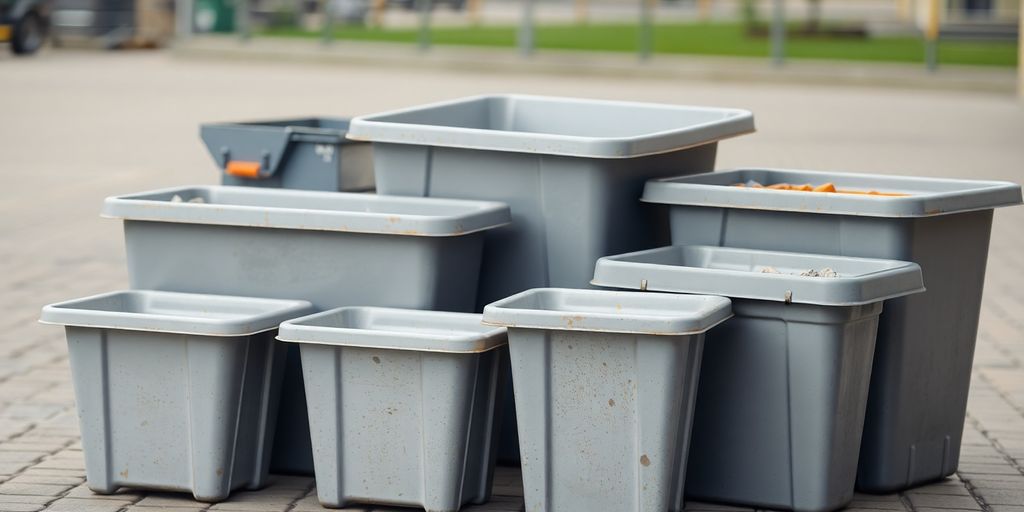
When you’re figuring out what size bin you need for your Toronto project, it’s not just about guessing. There are a few key things to think about to make sure you get it right. Picking the wrong size can lead to extra costs or delays, and nobody wants that. It’s all about matching the bin to your specific job.
Type of Construction Project
The kind of work you’re doing is a big clue. A small bathroom remodel will create a lot less waste than tearing down a whole house or re-shingling a roof. Demolition projects, for instance, often produce heavy materials like concrete, bricks, and wood, which can fill up a bin quickly by volume and weight. Renovations might have more bulky items, like old cabinets or fixtures, that take up space but aren’t as heavy. Knowing the nature of your project helps estimate the volume and type of debris you’ll be dealing with.
Volume of Debris
This is pretty straightforward: how much junk are you expecting? It’s always better to have a little extra space than not enough. Overfilling a bin can lead to extra fees or even refusal of pickup. Think about the materials you’ll be tossing. Lighter stuff like drywall, insulation, or yard waste might fill a bin by volume, while heavier items like concrete, dirt, or metal will fill it by weight much faster. A good waste bin size guide can help you visualize this.
It’s often wise to err on the side of a slightly larger bin if you’re unsure, as the cost of an extra pickup or disposal fees for an overfilled bin can be more than the cost of a larger container from the start.
Space Availability for the Bin
Where will the bin go? You need to make sure there’s enough room not just for the bin itself, but also for the truck to maneuver and place it properly. Consider driveways, street access, and any overhead obstructions like tree branches or power lines. A big bin in a tight spot can cause a lot of headaches. Always check with your rental company about the specific dimensions and clearance needed for the bin size you’re considering. You can find more information on bin placement considerations.
Local Toronto Regulations and Permits
Sometimes, there are rules about where you can place a bin, especially if you’re putting it on a public street. Toronto might have specific regulations regarding permits for bins placed outside your property line. It’s a good idea to check with the city or your rental provider to see if any permits are needed for your chosen location. This can save you from unexpected fines.
Tips for Efficient Toronto Construction Bin Rental
Renting a dumpster for your construction project in Toronto doesn’t have to be complicated. A little planning goes a long way to make sure you get the right bin without any hassle. It’s all about being prepared and knowing what to ask.
Communicate Clearly with Your Provider
When you call about dumpster rental in Toronto construction, be ready to describe your project. Are you doing a small bathroom remodel or a full residential demolition bin rental? Knowing this helps the rental company suggest the best size. Also, mention the types of materials you’ll be tossing – wood, drywall, concrete, or mixed debris. This helps them understand your construction debris disposal needs.
Plan Your Rental Duration
Most Toronto junk removal bin rentals come with a standard rental period, often around 7 days. If your project is quick, that’s fine. But if you’re on a tight schedule, confirm the rental period and ask about options for extensions. Don’t assume you can keep the bin longer without checking, as this can lead to extra charges. It’s good to have a rough idea of how long you’ll need the bin before you book.
Be Aware of Potential Extra Fees
Beyond the base rental cost, there are other things that can affect your bill. Overfilling the bin is a big one. Stick to the fill line marked on the bin. Also, certain heavy materials like concrete or dirt might have different pricing or require a specific type of bin. Always ask about weight limits and what materials might incur additional charges. This transparency is key to efficient Toronto construction dumpster services.
When to Rent a Larger or Smaller Bin Than You Think

“Sometimes, what you think you need and what you need for a bin rental can be a bit different. It’s easy to underestimate the amount of junk you’ll generate, or maybe you’re worried about a bin being too big and taking up too much space. Let’s break down when you might want to adjust your initial thought.”
Underestimating Your Debris Volume
This is super common. You start a project, maybe a kitchen reno, and you think, “Yeah, a 15-yarder should be plenty.” Then you pull out old cabinets, tile, maybe some questionable flooring, and suddenly, that bin is filling up faster than you expected. It’s often better to rent a slightly larger bin than you think you’ll need. Why? Because ordering a second bin mid-project is a hassle and usually costs more in the long run. Plus, overfilling your initial bin can lead to extra fees or even refusal of pickup by the rental company.
Overestimating Your Debris Volume
On the flip side, maybe you’re doing a simple garage cleanout or a small landscaping job. You might be tempted to grab a big 30-yard bin because you’re picturing a mountain of stuff. But if your project is smaller, a huge bin can be overkill. They take up a lot of space, which can be a problem on a tight driveway or narrow street. Also, the rental cost for larger bins is higher. If you only fill it halfway, you’re essentially paying for space you didn’t use. For smaller jobs, a 10 or 14-yard bin is often more than enough, and much more manageable.
When a Different Type of Bin Might Be Better
It’s not just about size, either. Some materials, like heavy concrete or bricks, have weight restrictions. A bin filled with just a few cubic yards of concrete can weigh as much as a much larger bin filled with lighter debris like wood or drywall. If you’re dealing with a lot of heavy materials, you might need a smaller bin specifically rated for that type of load, or you might need to separate your waste to avoid extra fees. Always check with your Toronto bin rental provider about what they recommend for specific materials.
Here’s a quick look at common project types and potential bin sizes:
| Project Type | Likely Bin Size (Cubic Yards) | Notes |
|---|---|---|
| Small Garage/Basement Cleanout | 10-15 | Can handle furniture, boxes, and general clutter |
| Kitchen/Bathroom Renovation | 15-20 | Old cabinets, tile, drywall, fixtures |
| Roofing Project | 20-30 | Shingles, underlayment, and some wood |
| Full Home Renovation/Demo | 30-40 | Large volumes of mixed construction debris |
| Heavy Materials (Concrete/Brick) | 10-14 (check weight limits) | Often requires separate, specialized bins |
Tips to Avoid Extra Fees and Save Money
Nobody likes unexpected charges, right? When you’re renting a construction bin in Toronto, a few smart moves can keep your costs down and prevent those nasty surprise fees from showing up on your final bill. It’s all about being prepared and knowing what to look out for.
Understand Rental Duration Limits
Most rental companies include a certain number of days in their base price, often around a week. If your project runs over, you’ll start racking up daily charges. Always check the rental agreement for these limits and plan your project timeline accordingly. If you think you might need more time, ask about extending the rental period upfront – it’s usually cheaper than paying surprise overage fees.
Separate Your Waste Streams
Mixing different types of debris, like clean fill (soil, concrete, bricks), with general construction waste, can lead to extra charges. Many companies charge more for mixed loads because they’re harder and more expensive to sort and dispose of. If you have a lot of clean fill, consider renting a separate bin for it. This can be a real money-saver, especially for larger projects. Check out the guidelines for proper waste disposal to see what can and can’t be mixed.
Be Mindful of Weight Limits
Some bins have weight restrictions. Exceeding these limits can result in hefty overweight fees. This is particularly important if you’re disposing of heavy materials like concrete, asphalt, or large amounts of soil. Always confirm the weight limit for the bin size you choose and try to estimate your load’s weight beforehand. If you’re unsure, it’s better to ask the rental company or opt for a slightly larger bin to be safe.
Avoid Prohibited Items
Certain items are a big no-no in construction bins and can incur significant fines. These typically include hazardous materials like paint, chemicals, batteries, electronics, and tires. Always clarify with your rental provider what items are prohibited. Proper disposal of these materials often requires special handling, and trying to sneak them into a regular bin will cost you.
“Planning ahead is key. Knowing the rental terms, waste separation rules, and weight limits before you even book your bin can save you a lot of hassle and money down the line. It’s better to ask questions upfront than to deal with unexpected charges later.”
Conclusion
So, we’ve talked about why picking the right bin size is a big deal for your Toronto project, looked at the common sizes available, and figured out what factors to keep in mind. It comes down to matching the bin to your specific job. Don’t just guess; take a moment to think about the kind of work you’re doing, how much stuff you’ll be tossing, and where the bin will sit on your property. Getting this right means fewer headaches and a smoother process overall.
Remember these key takeaways:
- Assess your debris volume: Estimate how much waste you’ll generate. It’s often better to have a little extra space than to run out.
- Consider project duration: Longer projects usually mean more waste.
- Check local rules: Toronto might have specific regulations about bin placement or types of waste.
Getting the bin size wrong can lead to extra costs, delays, or even safety issues on your site. It’s worth the effort to get it right the first time.
By planning and understanding your needs, you can make sure your construction bin rental experience in Toronto is efficient and cost-effective. It’s all about being prepared and making smart choices from the start.
Frequently Asked Questions
What bin sizes are available in Toronto?
In Toronto, you can find bins ranging from 4 cubic yards to 40 cubic yards. Smaller bins, like 4-10 cubic yards, are good for small jobs like cleaning out a garage or a small renovation. Mid-sized bins, from 14-20 cubic yards, are better for bigger projects like remodeling a kitchen or a bathroom. For large construction jobs, you might need 30-40 cubic yards.
How do I choose the best bin size for my project?
To pick the right bin, think about how much trash your project will make. A quick room cleanout might only need a small bin, but a whole house renovation will need a much bigger one. It’s usually better to get a slightly larger bin than you think you’ll need, just in case. Overfilling can cost extra!
How long can I keep the bin?
Most companies let you rent a bin for about 7 days. But if your project takes longer, you can usually ask for a longer rental period. It’s always a good idea to check with the rental company about their specific policies.
What happens if I put too much trash in the bin?
If you put too much trash in the bin, you’ll likely have to pay extra fees. Companies have limits on how much weight and volume they can handle. Always check the rules before you start filling it up to avoid surprise charges.
What kind of trash can I NOT put in the bin?
You generally can’t put hazardous stuff like paint, chemicals, or batteries in the regular bins. These items need special disposal. If you’re not sure if something is hazardous, it’s best to ask the rental company before tossing it in.
How can I avoid extra fees and save money on bin rental?
To save money, make sure you order the right size bin from the start. Also, try to keep different types of waste separate, like dirt or concrete, because mixing them can sometimes lead to extra fees. Always ask about the total cost upfront, including delivery and disposal.