

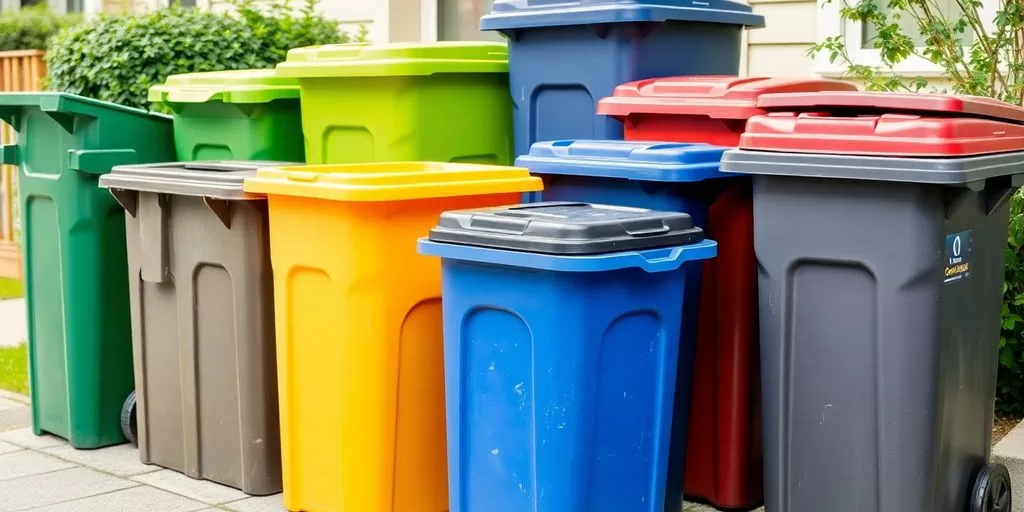
Figuring out the right bin size for your trash can feel like a puzzle, right? It’s not just about grabbing the first one you see. You’ve got to think about how much stuff you throw away, what kind of trash it is, and even when the garbage truck comes. Picking the wrong size can lead to a whole lot of hassle, like overflowing bins or paying for way more space than you need. Let’s break down how to choose the best waste bin sizes for whatever you’re dealing with.
Key Takeaways
- Assess your household or business waste generation to get a baseline for bin size needs.
- Understand that different waste types (recyclables, general, organic) may require different bin sizes or capacities.
- Local regulations and waste collection schedules directly influence the appropriate waste bin sizes you should consider.
- Accurate estimation of waste volume, not just guesswork, is vital for choosing the correct bin size and avoiding issues.
- Consulting with local waste disposal experts can provide valuable insights and help you make the most cost-effective choice for waste bin sizes.
Understanding Different Waste Bin Sizes
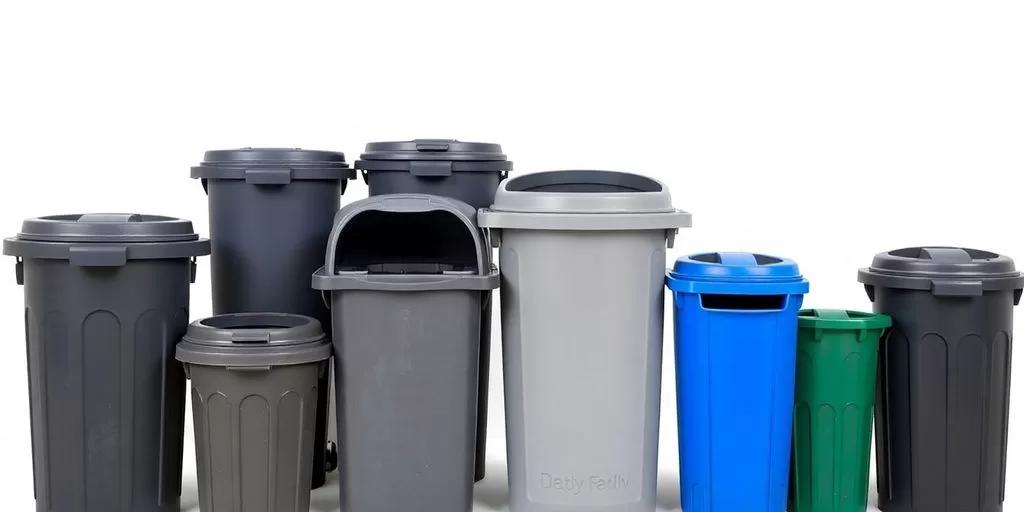
Choosing the right waste container sizes can feel like a puzzle, especially with so many options out there. You’ve got everything from small household trash cans to massive commercial waste containers. Let’s break down what’s what.
Common Bin Sizes and Their Capacities
When we talk about trash bin sizes, they’re usually measured in cubic yards. This tells you how much waste the bin can hold. For homes, you might be looking at smaller garbage can sizes, maybe 20-32 gallons, which are easy to manage. For bigger jobs, like a home renovation or a big clear-out, you’ll need larger garbage containers, often called dumpsters. These can range from 5-yard dumpsters up to 15-yard or even 20-yard options. A 5-yard dumpster is pretty small, good for a weekend project, while a 30-yard one is for serious stuff, like construction debris.
Here’s a quick look at typical dumpster sizes:
| Size (Cubic Yards) | Approximate Capacity (Truckloads) | Best For |
|---|---|---|
| 05 | 3-4 | Small cleanups, garage cleanouts |
| 10 | 6-8 | Home renovations, medium-sized projects |
| 20 | 9-12 | Large renovations, demolition projects |
Understanding these trash can capacity guides helps you match the bin to the job. It’s not just about fitting the trash; it’s about making sure you don’t have overflow or pay for way more space than you need.
Factors to Consider When Choosing a Bin Size
So, what goes into picking the best bin size for recycling or your general household trash can dimensions? It’s more than just guessing. You need to think about how much trash you make. Are you a family that recycles a lot, or do you produce a lot of general waste? Your waste generation habits are key.
Also, consider how often your waste is collected. If you have weekly pickups, a smaller bin might work fine. But if collections are less frequent, you’ll need a larger bin to avoid overflow. It’s also smart to check local regulations. Some places have rules about the size or type of waste containers you can use, especially for commercial waste container sizes.
“Don’t forget to measure the space where the bin will go. You don’t want to order a large garbage container only to find out it won’t fit through the gate or in the driveway. Accessibility for both you and the collection service is important.”
Finally, think about the type of waste. Are you dealing with bulky items, or is it mostly everyday trash and recyclables? This will influence the size and type of bin you need. For instance, a bin for garden waste might need to be larger than your regular household trash can. Picking the right size of garbage containers means less hassle and a cleaner space. If you’re unsure, it’s often a good idea to consult with local providers who can offer advice based on your specific needs.
Assessing Your Waste Generation
Figuring out how much trash your household or business produces is the first big step in picking the right bin. It’s not as simple as just grabbing the biggest one you see, you know? You need to think about your habits and what you throw away.
Household Waste Volume
So, how much trash does a household produce? It varies, but a good starting point is to look at your current trash cans. Are they overflowing by pickup day? Or are they mostly empty? This gives you a clue. Think about the number of people in your home, your eating habits (do you cook a lot from scratch or rely on pre-packaged meals?), and how much you recycle. For example, a family that composts food scraps and recycles diligently will produce less general waste than a family that doesn’t. You might want to track your waste for a week or two. Just jot down what you throw out each day. This can be eye-opening!
- Track your waste: Keep a simple log for a week.
- Consider your household size: More people usually means more trash.
- Factor in recycling and composting: These habits significantly reduce landfill waste.
- Think about special occasions: Holidays or parties can temporarily spike your waste.
“It’s easy to underestimate how much waste we create. Taking a moment to actually observe and record your trash output can make a big difference in choosing a bin that fits your real needs, not just what you think you need.”
Commercial or Business Waste Needs
For businesses, assessing waste generation is a bit different. You need to consider the type of business. A restaurant, for instance, will produce a lot more organic waste and packaging than a small office. An office might generate a lot of paper, but if they have a cafeteria, that changes things. You’ll want to think about:
- Daily waste output: How much trash is generated on a typical business day?
- Peak times: Are there certain days or seasons when waste increases significantly?
- Specific waste streams: Do you have a lot of cardboard, plastic, food waste, or electronic waste?
Understanding these details helps you avoid overpaying for a bin that’s too large or dealing with constant overflows from a bin that’s too small. Getting this right can save your business money and hassle, and it’s a key part of efficient waste disposal in Toronto.
Types of Waste and Their Impact on Bin Size
So, you’ve got a handle on how much trash your household or business produces, but have you thought about what kind of trash it is? That makes a big difference, believe me. Different materials take up space differently, and some might even have special handling rules.
Recyclables vs. General Waste
Think about your recycling bin versus your regular trash bin. Recyclables, like cardboard and plastic bottles, can often be compressed a bit, or at least they don’t tend to be as wet and heavy as food scraps. General waste, on the other hand, can include all sorts of things, from packaging to food waste, which can get pretty dense and sometimes a bit messy. If you’re tossing a lot of food waste, you’ll want a bin that can handle the weight and potential odors, and maybe one that gets picked up more often. For recyclables, you might be able to get away with a slightly larger bin if you only put it out every other week, especially if you flatten your cardboard. It comes down to what you’re throwing away most.
Here’s a quick look at how common items might fill up a bin:
| Waste Type | Typical Bin Fill Rate | Notes |
|---|---|---|
| Cardboard (flattened) | Low | Compresses well, takes up less space. |
| Plastic Bottles | Medium | Can be crushed, but still takes volume. |
| Food Scraps | High | Dense, can be wet, attracts pests. |
| Paper/Junk Mail | Medium | Can be bulky if not shredded. |
| Glass Bottles | Medium | Heavy, doesn’t compress. |
“It’s easy to just think about volume, but the weight of your waste is also a big factor, especially if your local service charges by weight or has weight limits for bins. Heavy items like glass or wet food waste can quickly max out a bin’s capacity, even if it doesn’t look completely full.”
Special Waste Considerations (e.g., garden waste, bulky items)
Then there are the special cases. Garden waste, like grass clippings and leaves, can be surprisingly light but take up a ton of space. If you’re a keen gardener, you might need a dedicated bin or a larger capacity at certain times of the year. Bulky items are a whole other story. Things like old furniture, mattresses, or appliances usually can’t go in your regular bin at all. You’ll likely need to arrange for a special pickup or take them to a disposal center. Some services offer specific bins for yard waste, which can be handy if you have a lot of it. Just remember to check with your local waste management provider about what they accept in standard bins and what requires special handling. You can often find information on their website about requesting a bin for your residence.
- Yard Waste: Often light but voluminous. Consider seasonal needs.
- Bulky Items: Furniture, appliances, etc. Almost always require separate disposal.
- Electronics/Hazardous Waste: Batteries, old TVs, paint cans. These need special drop-off locations or collection events.
Tips for Accurate Waste Volume Estimation
Figuring out exactly how much trash you’ll produce can feel a bit like guesswork, but getting it right saves you hassle and money. It’s not just about tossing stuff in; it’s about being smart with your waste management.
Observe Your Current Waste Habits
Before you even think about a new bin, take a good look at what you’re throwing away now. For a week, maybe two, really pay attention. What kinds of things are you tossing? How much space do they take up? Are you filling up your current trash can way before pickup day? This kind of observation is key. It gives you a real-world baseline. You might be surprised by how much you generate, or maybe you’ll realize you’re pretty good at reducing waste already. This direct observation is often more helpful than just guessing.
Estimate Based on Project Type
If you’re doing a specific project, like a home cleanout or a garden makeover, try to break down what you expect to get rid of. For renovations, think about old cabinets, drywall, flooring, and maybe even some construction scraps. For yard work, it’s mostly leaves, branches, and grass clippings. If it’s an office move, it’s probably boxes, old files, and maybe some furniture. Try to visualize the volume of these items. Imagine stacking them up – how big would that pile be? This helps you gauge the scale of the bin you’ll need. For instance, a small bathroom remodel won’t create the same amount of debris as a full kitchen renovation.
Consult with Local Experts
Sometimes, the best way to figure this out is to just ask someone who does this for a living. Local waste disposal or dumpster rental companies deal with this every single day. They know what sizes are common, what types of waste fill up bins quickly, and what might be best for your specific situation. They can offer advice based on your location and the type of waste you’re dealing with. It’s like getting insider tips without having to learn it all yourself. They can help you avoid common mistakes, like ordering a bin that’s too small and then having to pay for an extra pickup or a second bin.
What Happens if You Choose the Wrong Size
Overflowing Bins and Extra Costs
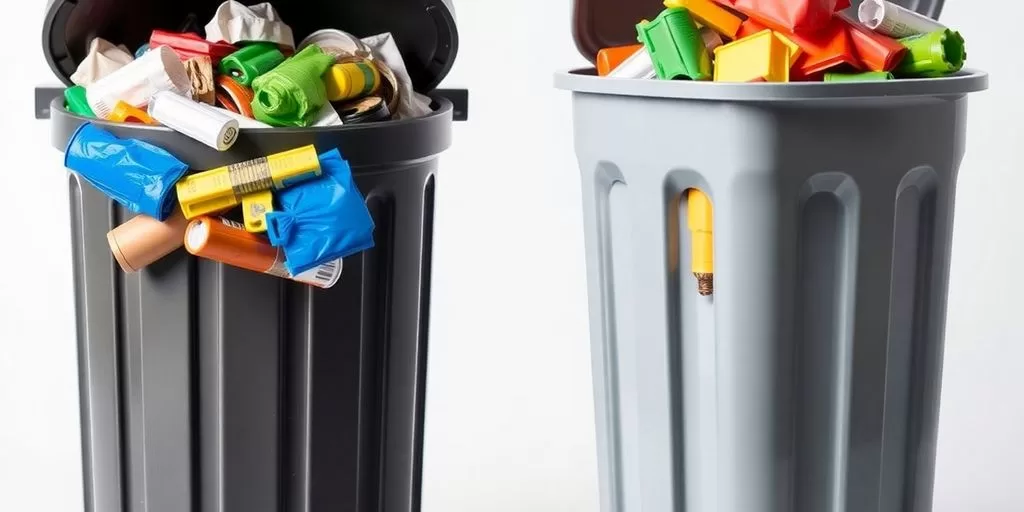
So, you picked a bin that’s just a little too small for your weekly trash. What happens? Well, first off, you’re going to have garbage piling up around the bin, which isn’t exactly a great look for your curb appeal. Plus, it can attract pests. More importantly, if your bin is consistently overflowing, your waste collection service might refuse to pick it up, or they could slap you with extra fees for an overweight or over-capacity bin. It’s like trying to stuff a week’s worth of laundry into a small carry-on – it just doesn’t work without a struggle, and sometimes, you just can’t close it.
Underutilized Space and Wasted Money
On the flip side, what if you went way too big? Maybe you got that massive 96-gallon bin thinking you’d fill it up, but you’re only ever putting half of it out each week. You’re essentially paying for space you’re not using. Think of it like renting a huge storage unit when you only have a few boxes; it’s just not cost-effective. This is especially true if you’re renting your bin, as you’re paying a flat fee regardless of how full it gets. It’s always better to get a good estimate of your waste volume before committing to a size. For construction projects, understanding dumpster sizes is key to staying on budget, and knowing what a 10-yard dumpster can hold can prevent costly mistakes.
Inconvenience and Inefficiency
Beyond the financial aspect, the wrong bin size just makes life harder. If your bin is too small, you’re constantly making extra trips to the curb or stuffing trash into bags that are about to burst. If it’s too large, it might be awkward to move, take up too much space on your property, or just feel like a constant reminder that you’re not managing your waste efficiently. It’s about finding that sweet spot that makes your waste disposal routine as smooth as possible.
Conclusion
So, you’ve gone through the whole process of figuring out what size bin you need. It’s not just about grabbing the biggest one you see, right? Getting the right bin size is a balancing act between managing your waste effectively and not overpaying for services you don’t use. Think about your typical waste output, what kind of stuff you’re throwing away, and how often the garbage truck comes by your place. It makes a difference in keeping things tidy and your wallet happy.
Frequently Asked Questions
How do I figure out the right size bin for my trash?
Think about how much trash your home or business makes each week. If you have a big family or a busy restaurant, you’ll need a bigger bin than a single person or a small office. Also, consider what you’re throwing away. Things like cardboard boxes or yard waste take up more space than regular trash.
What are the usual sizes for trash bins?
Most places have standard bin sizes, usually measured in gallons or cubic yards. Common sizes for homes might be 32, 64, or 96 gallons. For businesses or larger projects, you might see sizes like 5, 20, or 14 cubic yards. It’s good to know these common sizes when you start looking.
Can I get bins for different kinds of trash?
Yes, you can! Many companies let you rent different types of bins, like ones just for recycling, yard waste, or even construction debris. Using special bins helps make sure your trash is handled correctly and can make recycling easier.
Are there any local rules I need to know about?
It’s smart to check with your local town or city hall. They often have rules about what size bins you can use and how often trash is picked up. Following these rules helps you avoid fines and makes sure your trash gets collected smoothly.
What happens if I pick the wrong size bin?
If your bin is too small, you’ll end up with trash piled up outside, which can be messy and attract pests. If it’s too big, you might be paying for space you don’t need. Picking the right size saves you money and keeps things tidy.
Who can help me choose the best bin size?
It’s a good idea to call local waste management companies or dumpster rental services. They know a lot about what works best in your area and can help you choose the perfect bin size based on your specific needs and local rules.