

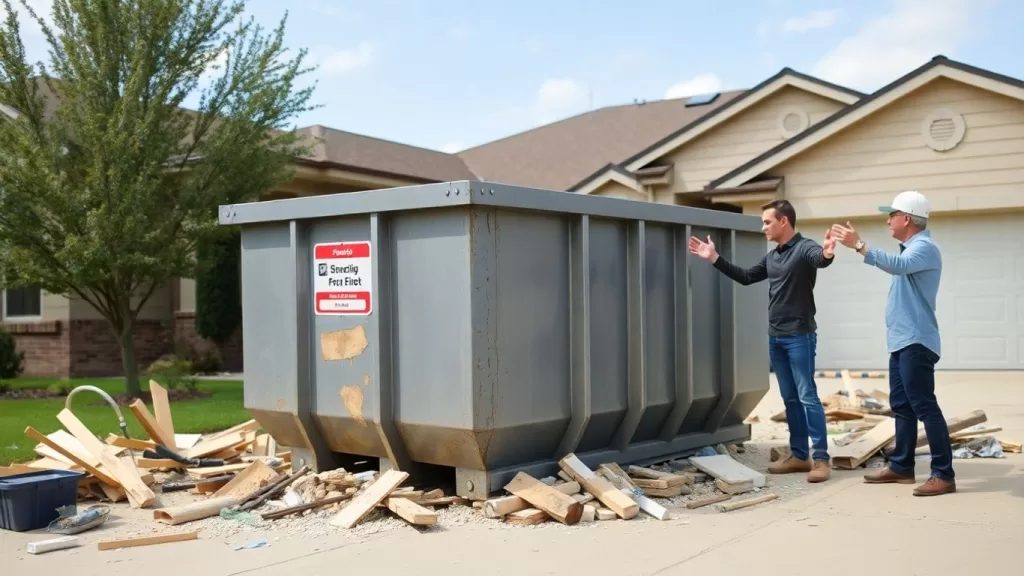
Ever start a home renovation and realize just how much junk piles up? Renting a bin seems like the easy part, but when things go wrong—like a bin cracking your driveway or blocking a neighbor’s car—the finger-pointing starts. Suddenly, you’re in the middle of a home renovation bin rental dispute, and nobody wants to take the blame. Figuring out who’s responsible isn’t always clear, and that’s where things can get messy. Let’s break down what you need to know so you don’t end up stuck with the bill or a headache.
Key Takeaways
- Always read the rental agreement carefully to know who’s responsible for the bin.
- Clear communication between homeowners, contractors, and rental companies helps prevent disputes.
- Proper placement and safety markers for bins can avoid accidents and confusion.
- Check local bylaws and permits before having a bin delivered to your property.
- Document everything, from instructions to damages, to protect yourself in a home renovation bin rental dispute.
Understanding Bin Rental in Home Renovations
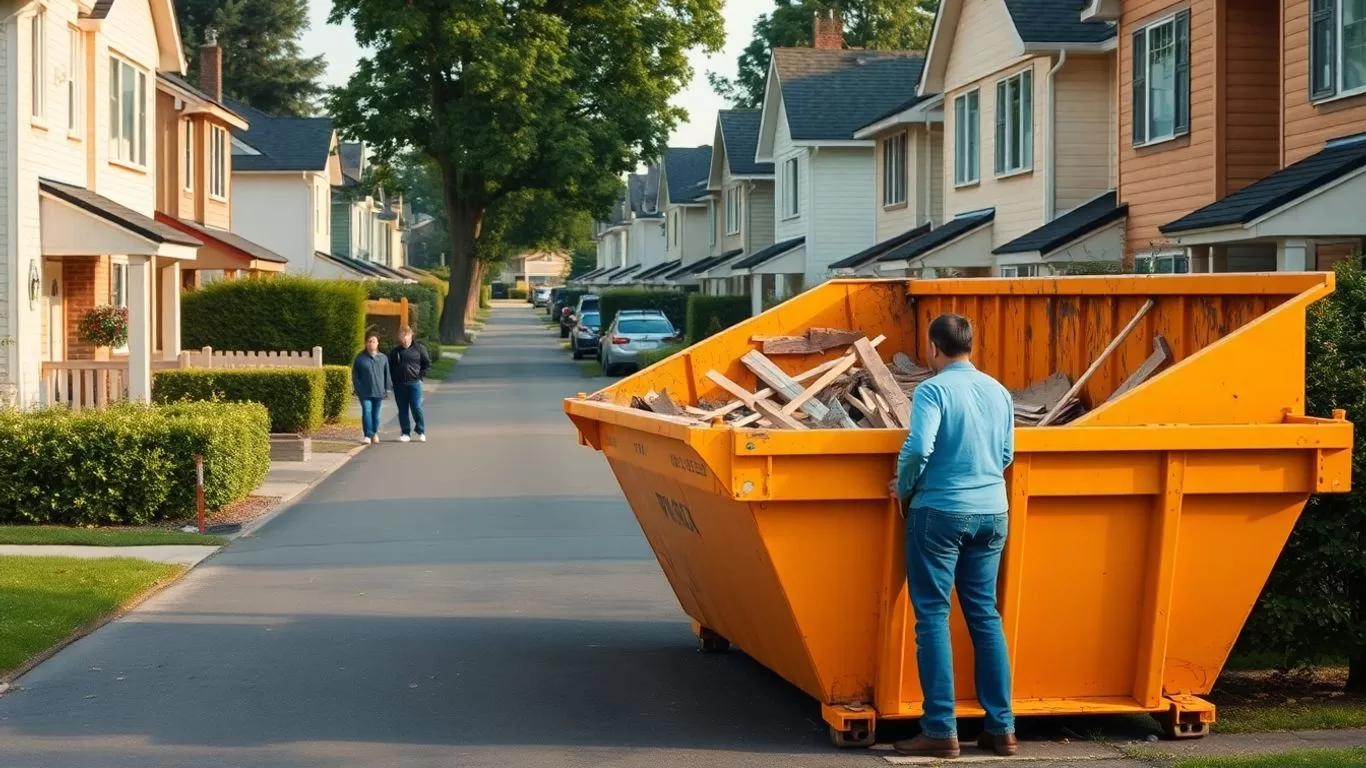
If you’ve tackled a home renovation, you know how quickly debris piles up—old drywall, cabinets, tiles, and unexpected messes. That’s where bin rentals come into play. Bin rental services provide homeowners and contractors with large containers to collect and remove renovation waste safely and efficiently. But as simple as it may seem, renovation bin rental issues are more common than people realize and can lead to confusion or headaches down the line.
Here’s what bin rental typically involves during home renovations:
- Renting a waste container (often called a dumpster or bin) for a set period, usually a few days to a few weeks.
- Coordinating drop-off and pickup with the rental company, including choosing a safe and legal spot for placement (driveway, street, or yard).
- Deciding who (homeowner or contractor) will be responsible for loading, safety, and handling disposal rules.
Home renovation projects generate various types of waste, and certain materials—even in small amounts—can cause legal issues with renovation bin rentals if not handled according to regulations. Cities may have bylaws about bin placement, necessary permits, or prohibited items (like paint, asbestos, or electronic waste). Failing to follow these rules can bring fines or even legal trouble.
A little planning goes a long way with bin rentals: talk to your rental company, clarify who manages the bin, and always check with your city’s waste disposal office to avoid unnecessary disputes.
When sorting out a bin rental for your renovation, keep these points in mind:
- Always get the rental agreement in writing, including details about who arranges drop-off, who handles loading, and what can (and cannot) go in the bin.
- Make sure the bin placement won’t block neighbors, sidewalks, or emergency access points.
- Know your responsibilities—insurance, damage waivers, and compliance with local waste or permit rules—before the project starts.
Bin rental can make renovation cleanup much easier, but only if you ask the right questions up front and stay aware of possible issues. It’s the step nobody wants to overlook, but trust me, it can save a lot of back-and-forth (and maybe even a trip to small claims court) later on.
Common Causes of Home Renovation Bin Rental Disputes
It’s surprising how often dumpster rental disputes come up during home renovations. Most of these arguments start with simple misunderstandings and quickly turn into bigger hassles. Below are some core reasons these disputes pop up:
- Improper Placement: When a bin ends up blocking driveways or walkways, or is put on the wrong property, friction builds fast between homeowners, contractors, and sometimes even neighbors. The wrong placement can crack driveways or ruin landscaping, leading to blame games about who messed up.
- Wrong Size or Overfilling: Renting a dumpster that’s too small or loading it past its weight limit can result in unexpected fees and arguments over who covers the extra cost. People also argue when prohibited items end up in the bin—a common mistake is simply not knowing what’s allowed (selecting the wrong size).
- Damage and Liability Issues: Heavy dumpsters can damage asphalt or decorative driveways. There are also cases where delivery or pickup damages property, but no one wants to take responsibility.
- Missed Permits or Bylaw Violations: Some cities require permits for bins placed on the street; skipping this step can bring fines, and figuring out who pays isn’t always easy.
- Cleanup and Collection Delays: Late pickups or overflowing bins attract complaints from neighbors or even local authorities, souring relations all around.
| Dispute Cause | Common Trigger |
|---|---|
| Placement issues | Blocks the driveway or access |
| Overfilling | Exceeds the rental agreement |
| Wrong materials dumped | Forbidden waste mixed in |
| Damage on property | Driveway cracked or landscaping hit |
| Permit/Bylaw violations | No permit for sidewalk or road use |
When people don’t talk openly and lay out their expectations from the start, a small miscommunication around a rented bin can turn into a drawn-out argument—sometimes even ending up in court or with extra repair bills.
Typical Parties Involved in Bin Rental Agreements
When you rent a bin for a renovation project, several people or businesses are usually part of the agreement, each with their own interests and responsibilities. Understanding who these parties are can help sort out confusion if any issues or disputes arise. Here’s a look at the main ones you’ll probably encounter:
- Homeowner – If you’re the person getting the renovations done, you’re often the one who signs the bin rental contract, chooses the bin delivery location, and pays for the service. But sometimes, your contractor does this on your behalf.
- Contractor or Renovation Company – Contractors sometimes arrange for the bin rental as part of their project management. They handle the logistics and may deal with the rental service directly.
- Bin Rental Company – This business, such as a service like Rent A Bin, provides the actual bin, arranges pick-up and drop-off, handles legal disposal, and sets the rental terms.
- Subcontractors or Workers – Occasionally, subcontractors who handle demolition or specific tasks will rent a bin themselves or use the bin provided by the main contractor for waste disposal.
- Neighbors or Tenants – In multi-family properties or urban neighborhoods, neighbors might be affected by bin placement. Local rules or shared driveways can rope in extra people who care about where the bin is and how long it stays.
Here is a quick reference table to better see who does what:
| Party | Main Role in Agreement |
|---|---|
| Homeowner | Primary decision-maker, payer |
| Contractor | Coordinates logistics, may rent a bin |
| Bin Rental Company | Supplies bin, handles drop-off/pick-up |
| Subcontractors | Sometimes rent/manage bin use |
| Neighbors/Tenants | May affect or object to bin placement |
It pays to spell out early in your project who’s signing the contract, who’s paying, and who’s responsible for any problems—otherwise, you might find everyone pointing fingers if a dispute pops up.
Roles and Responsibilities: Homeowners vs. Contractors
Sorting out contractor vs homeowner responsibility for bin rentals can get confusing fast, especially when things don’t go as planned. When you book a bin for a renovation, the lines between who should handle what can get blurred. Here’s what you ought to know to avoid finger-pointing later.
In most renovation projects, clear communication about bin rental duties saves everyone a lot of headaches.
Who’s on the Hook for What?
- Booking and Paying for the Bin: Typically, whoever signs the rental contract is responsible for the bin. Sometimes the homeowner pays the rental company directly, but often, the contractor does it as part of the overall renovation package.
- Proper Placement: The person who directs where the bin gets dropped off—homeowner or contractor—takes on some responsibility for safe and legal placement. Did you tell the driver to block the sidewalk? You may get the ticket.
- Property Damage: If the contractor instructs the driver and something gets broken (let’s say a cracked driveway), the contractor is usually liable. But if the homeowner insists on a risky spot, they might be responsible instead.
- Obeying Local Rules: Both parties need to make sure local bylaws or HOA rules are followed. Fines and penalties can hit either side, depending on who made the call or failed to get the right permits.
- Day-to-Day Use: Keeping the bin from getting overloaded, making sure nothing hazardous is tossed in, and locking the lid (if needed) is typically part of the contractor’s job. But sometimes a homeowner adds their own junk, and if that causes extra fees, guess who’s on the hook? It could be both.
Common Points of Disagreement (and How to Avoid Them)
| Issue | Who’s Usually Responsible | Tip for Avoidance |
|---|---|---|
| Permit/Placement Violation | Whoever directed placement | Confirm requirements together |
| Driveway Damage | Contractor/homeowner | Agree on placement & protect |
| Extra Charges (overweight) | User of bin (both sometimes) | Track what goes in |
Expecting your contractor to handle every aspect without talking through the fine print is risky. Go over the contract, agree on a plan, and double-check what local rules say—otherwise, you might get stuck with surprise costs.
Knowing the most frequent decluttering mistakes can also keep you out of trouble, especially around hazardous waste and proper sorting. It’s always better to be safe than sorry when it comes to shared responsibilities.
How to Prevent Renovation Bin Rental Issues
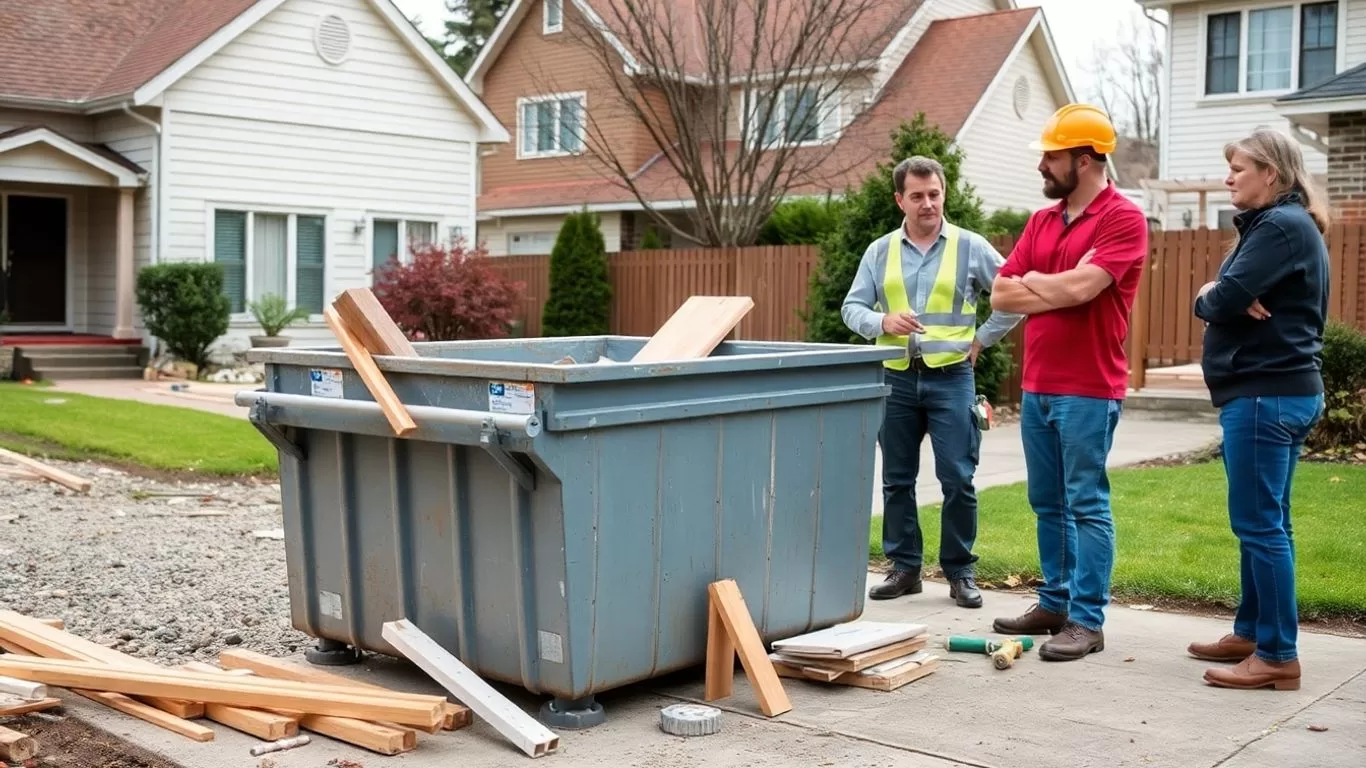
If you’re tackling a home renovation, the last headache you want is a fight over renovation bin rental issues. Learning how to avoid bin rental disputes starts well before the bin even arrives. Here are some simple steps you can take to stop trouble before it starts:
- Get everything in writing. Double-check that the bin rental agreement spells out who’s paying, where the bin goes, how long it’ll stay, and who arranges for pick up. Surprises usually happen when someone thought the other person was handling it.
- Clearly mark placement. Choose a spot that avoids blocking driveways, sidewalks, walkways, or access points. If the bin goes on the street, ask the city if you need a permit.
- Talk to your neighbors. Even a quick chat to let them know about the project can avoid a lot of drama. You’d be surprised how often a heads-up stops trouble before it starts!
- Coordinate with your contractor. If you’re not DIY-ing your project, make sure your contractor knows who is managing the waste and what the rules are.
- Use warnings and protective measures. Add reflective tape, cones, or even a sign if the bin sits by the street. For your driveway, plywood or mats under the bin can prevent damage.
Sorting out the details ahead of time with everyone involved can save you from messy arguments, damage costs, and a lot of stress later. Good planning is cheaper than repairing a cracked driveway or paying fines from the city.
Trying these steps will help you figure out how to avoid bin rental disputes, whether you’re a homeowner, contractor, or just helping a friend out. Everyone’s a lot happier when the plan is clear and problems are easy to spot before they turn into a bigger mess.
Waste Disposal Regulations and Local Bylaws
Bin rental during home renovations is more than just setting a container in your driveway and tossing debris. Local rules and regulations shape what you can throw away, where you can place the bin, and how it’s all handled. These details often become a flashpoint for renovation waste disposal disputes between homeowners, contractors, and rental companies.
Resolving Dumpster Rental Disputes: Step-by-Step
Resolving dumpster rental disputes usually means figuring out if someone broke a rule or skirted permit rules. Here’s a basic approach if a disagreement pops up:
- Review local bylaws or municipal regulations for bin rentals and waste management.
- Double-check the bin rental agreement for responsibility on placement, permits, and allowed waste.
- Gather evidence—photos of the bin’s placement, written instructions, receipts, or notices from the city.
- Contact relevant authorities if there are fines or formal complaints.
It’s usually easier to sort things out before the city gets involved, and quick action can avoid bigger headaches.
Negotiation and Communication Tips
Communication is key to sorting out waste bin arguments. Here are a few ways to smooth the path:
• Talk early: Make sure everyone (contractor, homeowner, bin provider) knows the rules at the beginning.
• Write things down: Agree in writing who is handling permits and proper waste disposal.
• Stay calm: Most disputes are misunderstandings about rules or surprise fines. Keep communication civil and solution-focused.
Renovation waste disposal disputes usually boil down to someone not following a bylaw or failing to communicate key details. It pays to get in front of these issues by knowing the local rules and keeping everyone in the loop.
Examples of Common Local Restrictions
| Issue | Typical Rules |
|---|---|
| Bin Placement | Not blocking sidewalks or roads. Street bins may need a permit. |
| Waste Types Allowed | No hazardous waste, electronics, or certain building materials. |
| Permit Requirements | May need city permits for street or curbside placement. |
Not every city is the same, so always check your own local rules before starting that big reno. It could save a ton of hassle and help prevent those expensive, stressful disputes later on.
Legal Avenues and Mediation Options
Sometimes, no matter how careful you are with bin rentals, disagreements still come up. Maybe the dumpster blocked your neighbor’s driveway or the company tacked on extra fees you weren’t expecting. If you’re stuck in a bin rental dispute, it’s good to know that legal options and mediation can help clear things up.
Here’s a quick look at what you can do when talking doesn’t work:
- Check the contract first. Most dumpster rentals (and home renovation contracts) explain who’s responsible for what, including extra charges and bin placement. Often, a simple review of the contract clears up confusion.
- Mediation services. Before you head to court, you can use mediation. A neutral mediator listens to both sides and helps you find a solution you both agree on. This is less formal, cheaper, and much faster than going to court. Many counties offer free or low-cost home renovation mediation programs.
- Small claims court. If mediation isn’t possible or doesn’t solve the problem, small claims court is another option for financial disputes, usually for amounts under a certain limit (often $5,000 to $10,000 depending on where you live).
- Civil court and legal action. For bigger money or more complicated issues, you may have to file a lawsuit or hire an attorney. Sometimes, a letter from a lawyer is all it takes to get things moving again.
| Option | Cost | Time to Resolve | Formality Level |
|---|---|---|---|
| Mediation | Low/Free | Days-Weeks | Informal |
| Small Claims Court | Medium | Weeks-Months | Semi-formal |
| Civil Court/Lawyer | High | Months-Years | Formal |
Conclusion
At the end of the day, renting a dumpster for your home renovation should make things easier, not more stressful. But as we’ve seen, a simple bin can cause a lot of confusion if something goes wrong. Figuring out who’s responsible—whether it’s you, the contractor, or the rental company—really comes down to where the bin was placed, what your contract says, and how well everyone communicated. The best way to avoid headaches is to plan, talk things through with everyone involved, and keep records of what was agreed on. If you’re ever unsure, don’t be afraid to ask questions or even get legal advice. It’s way better to sort things out before trouble starts than to deal with a mess after the fact.
Frequently Asked Questions
Who is responsible if a dumpster damages my driveway during a renovation?
Responsibility depends on who arranged for the dumpster and who chose its placement. If you, as the homeowner, told the rental company where to put it, you might be responsible. If the contractor or the rental company decided where to put it, they could be responsible. Always check your rental agreement for details.
Do I need a permit to put a dumpster on the street?
In many places, yes. If the dumpster will be on a public street or sidewalk, you usually need a permit from your city. If you put it on your own property, like your driveway, you may not need one. It’s best to check with your local city office before renting a bin.
What should I do if someone is hurt because of the dumpster?
If someone gets hurt, make sure they get medical help right away. Then, report the incident to your insurance company and the dumpster rental company. Take photos and write down what happened. If the injury is serious, you may want to talk to a lawyer.
How can I prevent problems with my dumpster rental?
To avoid issues, talk clearly with your contractor and the rental company about where the bin will go. Use safety cones or signs to warn people. Check local rules about dumpsters. Make sure the placement doesn’t block driveways, sidewalks, or views for drivers.
Who pays if the dumpster blocks a neighbor’s car or driveway?
If the dumpster blocks someone else’s car or driveway, the person who arranged for the dumpster may be responsible, especially if it breaks local rules. This could be the homeowner, the contractor, or the rental company. Always make sure the bin is placed in a safe, legal spot.
What happens if there is a disagreement about dumpster damage or placement?
First, try to talk it out with the other party. If that doesn’t work, check your contract and any local laws. You can also call your insurance company or a lawyer for advice. Some cities offer mediation services to help settle these kinds of disputes.