

Dealing with grass clippings in Toronto can sometimes feel like a puzzle. You want a nice lawn, but then you’re left with all this green stuff. Knowing what to do with your grass clippings in Toronto isn’t just about keeping your yard tidy; it’s also about being kind to the environment and avoiding any city rules. This article will walk you through the best ways to handle your lawn waste, making it simple and stress-free.
Why Proper Grass Clippings Disposal Matters in Toronto
Environmental Benefits in Toronto
Proper disposal of grass clippings is more important than you might think, especially in a big city like Toronto. When grass clippings end up in landfills, they decompose without oxygen, creating methane, a potent greenhouse gas. This contributes to climate change. Plus, composting grass in Toronto and other yard waste reduces the amount of waste going to landfills, extending their lifespan and saving the city money. It’s a small thing that can make a big difference for our environment.
Avoiding Fines and Regulations
Toronto has rules about how you can dispose of yard waste, and that includes grass clippings. You can’t just toss them in with your regular garbage. The city encourages eco-friendly lawn care Toronto and has specific guidelines for what goes in the green bin and what doesn’t. Ignoring these rules can lead to fines, which nobody wants. So, knowing the regulations and following them is important to avoid penalties and do your part for the city’s waste management efforts.
Making sure you follow the rules helps keep Toronto clean and green. It’s about being a responsible resident and contributing to a healthier environment for everyone.
Best Practices for Managing Grass Clippings in Toronto
Managing grass clippings effectively is key to maintaining a healthy lawn and contributing to Toronto’s environmental goals. There are several approaches you can take, each with its own benefits.
Leave Them on the Lawn (Grasscycling)
Grasscycling, or leaving grass clippings on your lawn, is often the easiest and most beneficial method. It acts as a natural fertilizer, returning valuable nutrients to the soil. This reduces the need for chemical fertilizers and can improve the overall health of your lawn. Plus, it saves you the hassle of bagging and disposing of the clippings. For optimal results with grasscycling, mow frequently and only remove about one-third of the grass blade at a time. This ensures the clippings are small enough to decompose quickly.
Grasscycling is a win-win. It’s good for your lawn, good for the environment, and good for your back. It reduces waste and enriches your soil, making your lawn care routine more sustainable.
Composting Grass Clippings
Composting is another excellent way to manage grass clippings. When added to a compost bin, grass clippings provide valuable nitrogen, which helps break down other organic materials. However, it’s important to mix grass clippings with other materials, such as leaves and twigs, to maintain a good balance of carbon and nitrogen. Too many grass clippings can lead to a slimy, smelly mess. Consider these points when composting:
- Mix grass clippings with brown materials (leaves, shredded paper) in a 1:2 ratio.
- Turn the compost pile regularly to ensure proper aeration.
- Keep the compost pile moist, but not soggy.
- Avoid composting grass clippings that have been treated with herbicides or pesticides.
By following these tips, you can create nutrient-rich compost that can be used to improve your garden soil. If you’re planning a big landscape project, consider a Toronto bin rental for easy disposal of larger waste volumes. Also, remember that mulching grass clippings Ontario is a great way to return nutrients to your lawn.
Toronto’s Green Bin Program for Yard Waste
Toronto makes it relatively easy to deal with Toronto lawn waste disposal thanks to its Green Bin program. It’s a pretty straightforward system, but knowing the ins and outs can save you some headaches. The city collects yard waste bi-weekly, right alongside your regular garbage pickup, from mid-March to mid-December. They also grab Christmas trees in January. If you miss your pickup or have more than usual, you can always take it to a drop-off depot.
What Goes in the Green Bin in Toronto
So, what exactly can you toss into that green bin? Here’s a quick rundown:
- Leaves (obviously!)
- Grass clippings
- Plant trimmings and garden waste
- Small branches (make sure they’re bundled and tied with twine)
- Weeds
It’s important to remember that not everything organic is fair game. Soil, sod, rocks, and treated wood are a no-go. Also, ditch the plastic bags – they won’t break down in the composting process.
Collection Schedule and Preparation
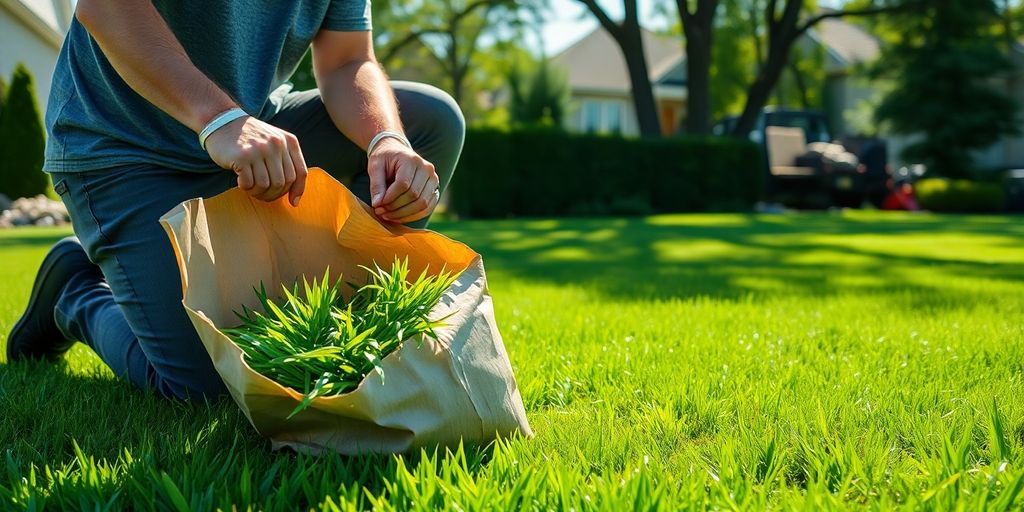
Getting your yard waste ready for collection is key. You can use kraft paper bags or reusable bins – plastic bags are a big no-no. If you’re dealing with branches, bundle them securely with twine, and keep them under 1.2 meters in length. Also, don’t make the bags or bundles too heavy; the limit is 20 kg per bag or bundle. Make sure to check the city’s website for your specific collection schedule, as it varies by location. Missing your pickup day means waiting another two weeks!
Other Disposal Options for Large Volumes
Sometimes, the amount of grass clippings and yard waste you generate is simply too much for grasscycling, composting, or even the Green Bin program. What do you do then? Don’t worry, Toronto has options for handling those larger volumes.
Drop-Off Depots
Toronto operates several drop-off depots where residents can dispose of various materials, including yard waste. These depots are a great solution when you have a significant amount of material to get rid of at once, like after a major landscaping project or a big storm.
Before heading to a depot, it’s a good idea to check the City’s waste management guide for accepted materials and any specific requirements they might have. For example, they might have rules about how the waste needs to be bagged or bundled. Here’s what you should keep in mind:
- Check the City of Toronto website for the locations and hours of operation for the drop-off depots. Hours can vary, and some depots might have specific days for certain types of waste.
- Be prepared to show proof of residency. Usually, a driver’s license or utility bill will do the trick.
- Separate your waste properly. This makes the process smoother and helps the city manage waste effectively. They usually have different areas for different materials.
- Consider a bin rental if you have a lot of waste.
Using drop-off depots is a responsible way to manage large volumes of yard waste, ensuring it’s processed properly and doesn’t end up contributing to landfill issues. It’s a bit more effort than just tossing it in the Green Bin, but it’s worth it for the environment and for keeping our city clean.
Tips for Reducing Grass Clippings
Reducing the amount of grass clippings you generate not only benefits the environment but also saves you time and effort. Here are some strategies to minimize your lawn waste in Toronto:
- Mow Frequently: Regular mowing prevents the grass from growing too long. When you cut off less each time, the clippings decompose faster and don’t create thick layers.
- Raise Your Mower Blade: Cutting your grass too short stresses the lawn and leads to more clippings. Aim for a higher cutting height, typically around 2.5 to 3 inches. This promotes healthier grass growth and reduces the amount you need to cut off each time.
- Use a Mulching Mower: Mulching mowers finely chop grass clippings and return them to the lawn as fertilizer. This eliminates the need to collect and dispose of clippings altogether. It’s a win-win!
By implementing these simple changes, you can significantly reduce the volume of grass clippings you produce, making lawn care easier and more sustainable.
- Water deeply, but infrequently: Encourage deep root growth. Infrequent, deep watering makes your grass more resilient and reduces the need for frequent mowing.
- Aerate Your Lawn: Aeration improves soil drainage and allows nutrients to reach the roots more effectively. This leads to healthier grass that requires less frequent cutting.
- Consider Ground Cover Alternatives: In areas where grass struggles to grow, consider replacing it with ground cover plants or mulch. This eliminates the need for mowing altogether in those spots.
Conclusion
So, there you have it. Dealing with grass clippings and other yard stuff in Toronto doesn’t have to be a huge headache. You’ve got a few good choices, whether you’re into composting, leaving those clippings right on your lawn, or using the city’s pickup service. And for those bigger jobs, a dumpster rental can really save the day. The main thing is to pick what works best for you and your yard. It’s all about keeping things tidy and doing your bit for the environment, without making life harder than it needs to be.
Frequently Asked Questions
Is it okay to leave grass clippings on my lawn?
Leaving grass clippings on your lawn, a practice called grasscycling, is actually good for your lawn. The clippings break down and put nutrients back into the soil, which means you might not need as much fertilizer. It also helps the soil hold moisture better, so you won’t have to water as often. Plus, it saves you the trouble of bagging them!
Can I put grass clippings in my compost bin?
Yes, you can compost grass clippings! They’re a great ‘green’ material for your compost pile because they add nitrogen. Just make sure to mix them with ‘brown’ materials like dry leaves or wood chips to keep the pile balanced and prevent it from getting too smelly or slimy.
Do grass clippings go in Toronto’s Green Bin?
The City of Toronto’s Green Bin program is mainly for food scraps and other organic kitchen waste. Grass clippings are generally not accepted in the Green Bin. The city prefers you to leave them on your lawn or compost them yourself.
Where can I take large amounts of grass clippings in Toronto?
If you have a lot of grass clippings that you can’t grasscycle or compost, you can take them to a City of Toronto Drop-Off Depot. They accept yard waste there, but it’s a good idea to check their website for hours, specific rules, and any possible fees before you go.
How can I reduce the amount of grass clippings I produce?
To have fewer grass clippings, try mowing your lawn more often. This way, you only cut a small amount each time, and the clippings are short enough to break down quickly on the lawn. Also, avoid cutting more than one-third of the grass blade’s height at once.
Why is it important to properly get rid of grass clippings?
Properly getting rid of grass clippings helps the environment by keeping them out of landfills. When organic materials like grass rot in landfills without air, they create methane gas, which is a powerful greenhouse gas that harms our planet. By grasscycling or composting, you’re helping the environment and avoiding potential fines for improper disposal.