

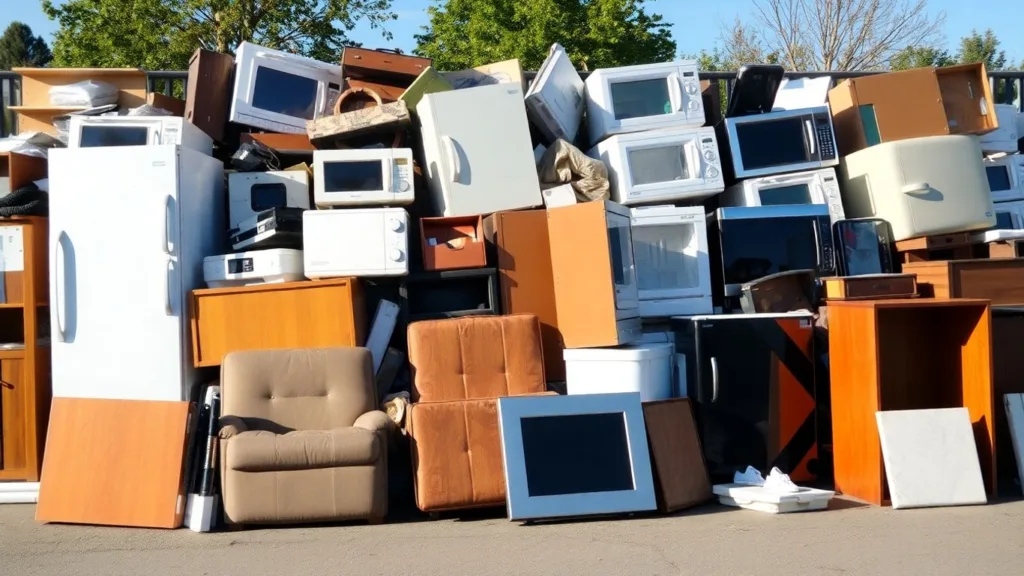
Getting rid of big items in Toronto can feel like a puzzle. You’ve got old furniture, broken appliances, or maybe just a pile of stuff that won’t fit in your regular bins. This guide is here to make dealing with the city of Toronto garbage dump and its disposal options a lot simpler. We’ll walk through how to handle these larger items, whether you’re using curbside pickup or heading to a drop-off depot. Let’s get that clutter cleared out.
Key Takeaways
-
- Curbside collection is available for oversized items and appliances on your regular garbage day. Just make sure they’re set out correctly.
-
- Toronto has several drop-off depots where you can take various types of waste, including garbage, recycling, yard waste, and household hazardous materials.
-
- Each drop-off depot has specific hours and accepted items, so check before you go. Some items like electronics and hazardous waste might only be accepted at certain locations or times.
-
- There are fees for disposing of garbage and renovation waste at the depots, usually based on weight. Many other items like recycling and yard waste are free or have a small fee under a certain weight.
-
- Proper preparation is key. Items should be manageable, safely secured, and sometimes require special handling, like wrapping glass or bagging bed-bug infested furniture.
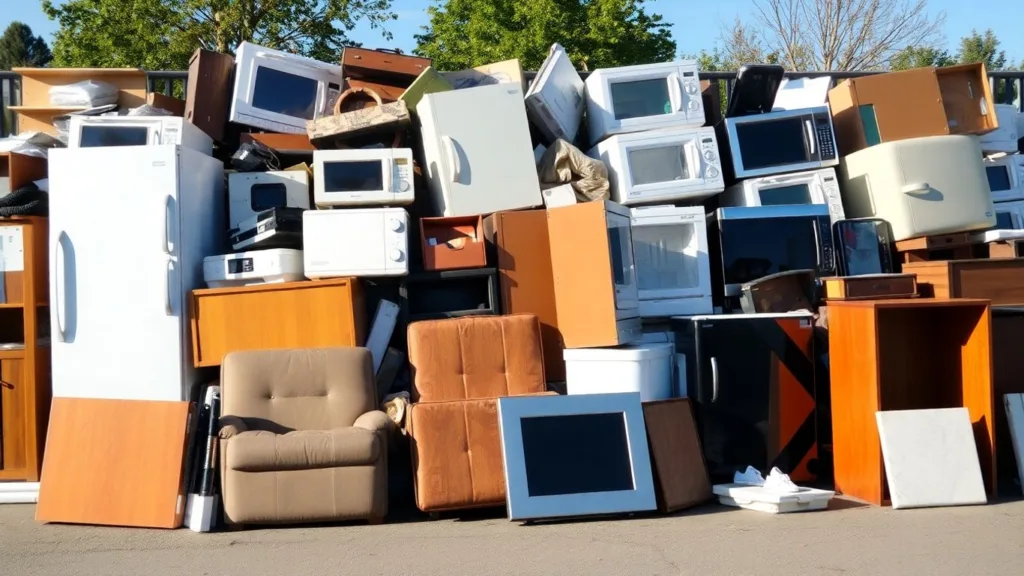
Getting rid of big stuff in Toronto, like old furniture or appliances, can feel like a puzzle. But honestly, the city makes it pretty straightforward if you know the drill. The key is understanding the difference between regular garbage and those bulky items that need special handling.
When you’re dealing with toronto large item pickup, think about what you’re trying to dispose of. Is it a broken couch, a defunct washing machine, or maybe just a pile of old boxes that won’t fit in your bin? The city has systems in place for all of it, aiming to make disposing of bulky waste as simple as possible.
Here’s a quick rundown of what you generally need to know:
-
- Curbside Collection: For many common large items, like furniture and appliances, you can simply place them by your garbage bin on your regular collection day. The city’s trucks are equipped to handle these.
-
- Drop-Off Depots: If your item isn’t suitable for curbside pickup, or if you have a lot of things, the city’s drop-off depots are your next best bet. These places are set up to take a wider range of items.
-
- Specific Item Guidelines: Some things, like electronics or hazardous waste, have very specific rules. It’s always best to check the city’s guidelines to make sure you’re not bringing the wrong thing to the wrong place.
Dealing with how to get rid of furniture or other large items doesn’t have to be a headache. By following the city’s procedures for toronto waste management large items, you can ensure your bulk trash collection goes smoothly.
Remember, proper preparation and knowing the rules can save you time and hassle. It’s all about making sure your items end up where they should, whether that’s on the curb or at a designated facility.
This guide will walk you through the options, from curbside pickup to using the city of toronto garbage dump facilities, so you can tackle that pile of unwanted goods without a second thought.
Curbside Collection: The Convenient Option
For many of us, the easiest way to get rid of large items is to just put them out on the curb. The City of Toronto actually offers this service for a lot of your bigger junk, like old furniture, mattresses, and even appliances. It’s a pretty straightforward process, and it saves you a trip to the dump.
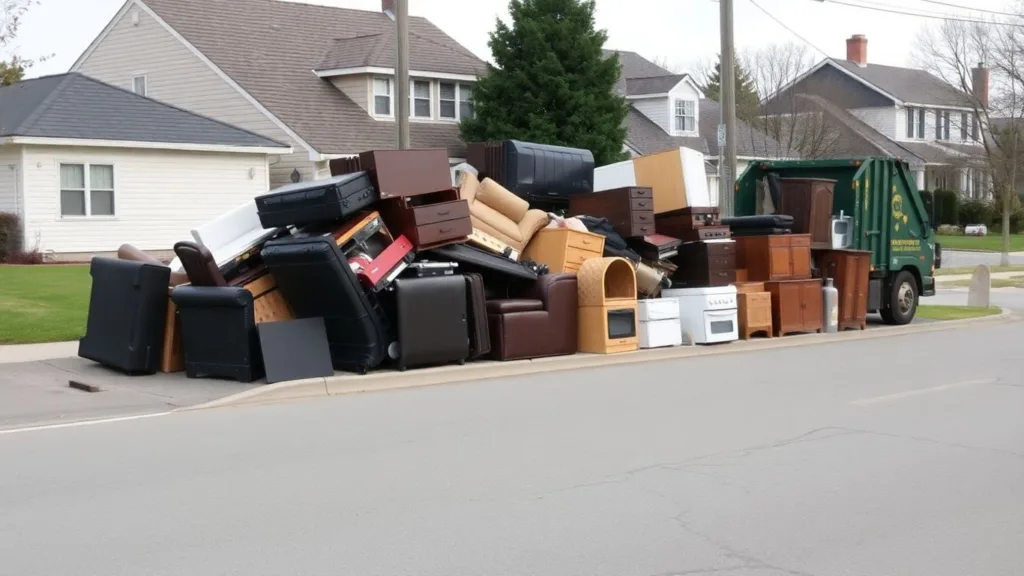
Here’s what you can generally put out for curbside pickup:
-
- Furniture: Sofas, chairs, tables, bed frames, mattresses, box springs, dressers, cabinets.
-
- Appliances: Refrigerators, stoves, dishwashers, washing machines, dryers, water heaters. Just remember to remove the doors from fridges and ovens!
-
- Other Large Items: Carpets (rolled and tied, no longer than 4 feet), artificial Christmas trees (cleaned of decorations), toilets, patio furniture.
When setting items out, make sure they’re placed next to your regular garbage bin but with about half a meter of space between them. This helps the collection crews work efficiently and safely. Also, keep in mind that individual bags or bundles shouldn’t weigh more than 20 kg (about 44 lbs).
There are a few things to keep in mind. For items like mattresses or furniture that might have had bed bugs, it’s a good idea to wrap them completely in plastic before putting them out. This is a small step that makes a big difference for the workers. Also, if you have a sofa bed, tie it down so it doesn’t spring open unexpectedly during collection.
This service is funded through an annual fee included in your property taxes, so you don’t have to pay extra each time you put something out. It’s designed to be a convenient way to handle those bulky items that just don’t fit in your regular bins.
Drop‑Off Depots & Alternative Disposal Options
So, curbside pickup isn’t cutting it for that giant old couch or a pile of renovation debris? No worries, Toronto’s got your back with drop-off depots. These places are super handy for getting rid of stuff that’s too big or just not allowed on regular garbage day. Think of them as your go-to spots for a serious clean up.
You can drop off a whole bunch of things at these depots, but it’s smart to check what’s accepted at each one before you load up your car. They handle everything from household hazardous waste like old paint and batteries to construction materials and even tires. For businesses needing a more regular solution, looking into a Dumpster for Your Business might be a better fit for ongoing waste disposal needs.
Here’s a quick rundown of what you might be able to ditch:
-
- Household Hazardous Waste: This includes things like leftover cleaning chemicals, old batteries, propane tanks, and even motor oil. It’s important to get rid of these safely, so the depots are a great option. You can even arrange for a pickup if you have between 10-50 litres of this stuff.
-
- Renovation Waste: Got old doors, drywall, or lumber from a DIY project? Most depots take these, though there might be limits on things like drywall. Just remember to remove any nails or screws first.
-
- Tires: Yep, you can bring your old car and light truck tires here, usually up to 10 per visit, on or off the rims.
-
- Metal Items: Old appliances, bikes, or metal tools can often be dropped off too.
When you head to a drop-off depot, make sure your vehicle is safe and your load is properly secured. They won’t let you in if you’re walking, biking, or if your stuff is flying all over the place. It’s all about safety and keeping things tidy.
There are a few different locations across the city, each with slightly different hours and accepted items. For example, the Bermondsey Depot is open 24 hours for garbage and recycling during the week, but has specific hours for hazardous waste. The Commissioners Street Depot has different weekend hours. It’s always a good idea to check the City of Toronto website for the most current operating times and specific item lists before you make the trip. This helps avoid any wasted trips and makes your waste disposal process smoother.
Preparing Your Large Items: Best Practices
Getting your big stuff ready for pickup might seem like a hassle, but a little prep work goes a long way. It makes things easier for you and, more importantly, for the collection crews.
First off, think about how the item will be handled. If you’ve got furniture with moving parts, like a sofa bed, it’s a good idea to tie it down so it doesn’t unexpectedly spring open. Similarly, if you’re getting rid of a cabinet, take out any loose shelves. Breaking down items into manageable pieces is key. This doesn’t mean you have to become a DIY expert, but simple steps like removing doors from appliances (fridges, ovens) are a must. This is for safety and to make sure they fit on the truck.
Here’s a quick rundown on specific items:
-
- Furniture & Mattresses: Tie down sofa beds. For mattresses, if they’re infested with bed bugs, you must wrap them completely in plastic. Otherwise, leave them unwrapped.
-
- Glass Items: If you have intact glass tabletops or panes, wrap them well in cardboard or thick paper and label them clearly as “glass.” For broken glass, wrap the sharp edges securely and try to fit it in your regular garbage bin. If it’s too big, set it out as an oversized item and label it “glass.”
-
- Carpeting: Roll up carpets and tie them securely. Keep the rolls to about four feet long and under 44 pounds (20 kg) each.
Remember, items that are too big for your regular garbage bin are considered “oversized.” You can usually set these out next to your bin on your collection day. Just make sure there’s about half a meter (roughly 2 feet) of space between your bin and the oversized items.
If you’re dealing with flood-damaged items, check with your insurance company first. They might need proof of damage before you set anything out. Make sure to put these items at the curb by 7 a.m. on your regular garbage day and leave them until they’re collected.
Avoid setting out construction debris like drywall or wood, and definitely keep household hazardous waste like paint cans or batteries separate. These have their own disposal methods, usually at a drop-off depot.
Fees, Scheduling & Service Considerations
When you’re ready to get rid of those big items, it’s good to know what you’re getting into, cost-wise and time-wise. Toronto offers a couple of main ways to handle this, and each has its own set of rules and potential charges.
For curbside pickup of large items, it’s generally free, but there are limits. You can put out items like furniture, mattresses, and appliances on your regular garbage day. However, make sure you follow the specific preparation guidelines we talked about earlier, like removing fridge doors or bundling carpets. If you have a lot of stuff or items that don’t fit the curbside rules, you’ll likely need to head to one of the city’s drop-off depots.
Here’s a quick look at what you might expect at the depots:
-
- Garbage and Renovation Waste: There’s a fee for this. It usually starts with a minimum charge for lighter loads, and then it’s priced per tonne for anything heavier. Think of it like paying for the weight of what you’re bringing in.
-
- Recycling, Yard Waste, Metal, and Tires: Some of these might have a small fee for lighter loads, but often, things like up to 10 tires per day or household hazardous waste are free to drop off.
-
- Household Hazardous Waste (HHW) and Electronic Waste: Good news here – these are typically free to dispose of at the designated depots.
Depot Fees at a Glance
| Item Type | Fee Structure |
|---|---|
| Garbage & Renovation Waste | Min. $18 (under 100 kg); $183/tonne thereafter |
| Recycling, Yard Waste, Metal | Fee for loads under 20 kg |
| Tires (Passenger/Light Truck) | Free (up to 10 per day) |
| HHW & Electronic Waste | Free |
When planning a trip to a depot, remember that hours can vary, especially on weekends and holidays. Some depots have different hours for different types of waste, so it’s always best to check the specific depot’s schedule online before you go. You’ll also need a vehicle that can safely transport your items, and walk-ins or bikes aren’t allowed. They also mention a $40 minimum deposit might be required for loads, which is usually refunded if your load qualifies for free disposal or is covered by a fee.
Keep in mind that during busy times, like midday or late afternoon, depots might prioritize city vehicles. So, if you can, try to go during off-peak hours to avoid longer waits. Also, always double-check the accepted items list for each specific depot, as not all locations take everything.
What NOT To Do & Common Mistakes
Alright, let’s talk about the stuff you really want to avoid when getting rid of those big, bulky items. It’s easy to mess this up, and nobody wants their trash left sitting on the curb, or worse, getting a notice.
First off, don’t just pile everything randomly. Think about how the collection crew will actually pick it up. Items should be manageable. If you’ve got a big couch or a dismantled shed, try to secure loose parts or tie things down so they don’t go flying. For things like mattresses or furniture that might have had bed bugs, you absolutely need to wrap them up completely in plastic. Seriously, don’t skip this step.
Another common slip-up is mixing things that shouldn’t be together. For instance, putting items that belong in the green bin (like greasy pizza boxes) or recyclables into your regular garbage, or vice-versa. It messes up the whole sorting process. Remember, “wishcycling” – tossing something in the recycling bin just because you hope it’s recyclable – isn’t helpful. If you’re not sure, it’s usually better to put it in the garbage than contaminate a whole batch of recyclables.
Here are a few more things to steer clear of:
-
- Blocking access: Don’t place your large items right up against your garbage bin or block sidewalks and driveways. Give the collectors enough space to work safely and efficiently. Aim for at least 0.5 meters away from your bin.
-
- Ignoring weight limits: While it’s for large items, there are still practical limits. If a bundle of carpet is too heavy to lift, it might get left behind. Same goes for individual garbage bags – keep them under 20 kg.
-
- Leaving hazardous stuff: Things like propane tanks, paint, or chemicals are a big no-no for regular curbside pickup. These need special handling and disposal.
People sometimes get confused about what goes where, especially with new packaging. If an item is labeled “compostable” or “biodegradable,” it doesn’t automatically mean it goes in the green bin here in Toronto. Always double-check the city’s guidelines if you’re unsure. It’s better to be safe than sorry.
Finally, don’t assume that just because it’s big, it’s automatically accepted for curbside pickup. Some items, like construction debris or electronics, have different disposal routes. Always check the accepted items list before setting anything out.
Quick Checklist for Residents
Getting rid of big stuff doesn’t have to be a headache. Here’s a quick rundown to make sure you’re all set:
-
- Know Your Options: Decide if curbside pickup works best or if you need to head to a drop-off depot. Curbside is usually for regular garbage days, while depots handle more specific items.
-
- Prep Your Items:
-
- Break down furniture. Think taking legs off tables or dismantling bed frames.
-
- Secure loose parts. Tie up sofa beds so they don’t pop open.
-
- Wrap glass carefully. Use cardboard and label it clearly.
-
- For mattresses with bed bugs, wrap them completely in plastic. Seriously, don’t skip this step.
-
- Prep Your Items:
-
- Check What’s Accepted: Not everything can go to the curb. Hazardous waste, like paint or chemicals, needs special handling at depots. Same goes for construction debris.
-
- Placement Matters: For curbside pickup, put items next to your garbage bin, but leave about half a meter of space between them and other items. This helps the collection crew.
Remember, proper preparation saves time and avoids issues. Double-checking the city’s guidelines for specific items can prevent your pickup from being missed.
Don’t forget to check the city’s website or Contact Here! if you’re unsure about a specific item or need to schedule a special pickup.
Conclusion
So, we’ve gone over how to get rid of those bulky items in Toronto, from using the curbside pickup to heading to the drop-off depots. It’s not as complicated as it might seem at first glance, right? The key is just knowing the rules and planning a little ahead.
Remember these main points:
-
- Curbside Collection: Great for regular schedules, but check what’s accepted and when.
-
- Drop-Off Depots: Your go-to for items not accepted curbside or when you need to get rid of things on your own schedule.
-
- Preparation is Key: Clean, sort, and break down items when possible to make disposal easier for everyone.
It’s easy to get confused about what goes where, especially with all the different materials out there these days. For instance, many people aren’t sure about things like black plastic or compostable packaging – in Toronto, these often belong in the garbage, not recycling or green bins.
Dealing with waste properly is more than just tidying up; it’s about contributing to the city’s overall waste management goals. Toronto handles a massive amount of waste each year, and diverting it from landfills is a big job. Making sure your large items go to the right place helps this process.
Don’t forget to check the City of Toronto’s official resources if you’re ever unsure. They have detailed information to help you sort everything out correctly. Getting this right means less hassle for you and a cleaner city for all of us. It’s a small effort that makes a big difference in how much waste is diverted from landfills, which is a significant part of the city’s waste management strategies.
By following these guidelines, you can confidently dispose of your large items without any unnecessary stress. Happy decluttering!
Frequently Asked Questions
How can I get rid of large items if I can’t use curbside pickup?
If your large items can’t go out on the curb, you can take them to one of Toronto’s Drop-Off Depots. These places are like special garbage dumps for bigger things. Just make sure you check which items they accept and their hours before you go, so you don’t waste a trip.
What kind of things count as ‘large items’ for disposal?
Large items usually mean things that don’t fit in your regular garbage bin. Think furniture like old couches or mattresses, big appliances, or even rolled-up carpets. Basically, if it’s bulky and awkward to handle, it’s probably a large item.
Are there any fees to drop off my garbage at a city depot?
For many common items like recycling, yard waste, and sometimes even garbage under a certain weight, it’s free. However, if you’re bringing a lot of garbage or specific types of waste like renovation debris, there might be a fee based on how much it weighs. It’s always a good idea to check the city’s website for current fees.
Can I bring hazardous waste like paint or old electronics to the depots?
Yes, some depots accept household hazardous waste (like paint, batteries, and cleaning supplies) and electronic waste (like old TVs or computers). These items need special handling, so make sure you go to a depot that specifically takes them, and follow their instructions for dropping them off.
What happens if I put out items that aren’t allowed for curbside pickup?
If you put out items that aren’t accepted for regular pickup, they might not get collected. For example, hazardous waste left on the curb could be a problem. It’s best to know the rules for curbside pickup and use the drop-off depots for anything extra or unusual.
How should I prepare my large items before taking them to a depot or setting them out?
For curbside pickup, make sure items are manageable. For example, tie down sofa beds so they don’t open up. If furniture has bed bugs, wrap it tightly in plastic. At the depots, ensure your load is secured in your vehicle. It’s all about making it safe and easy for everyone involved.