

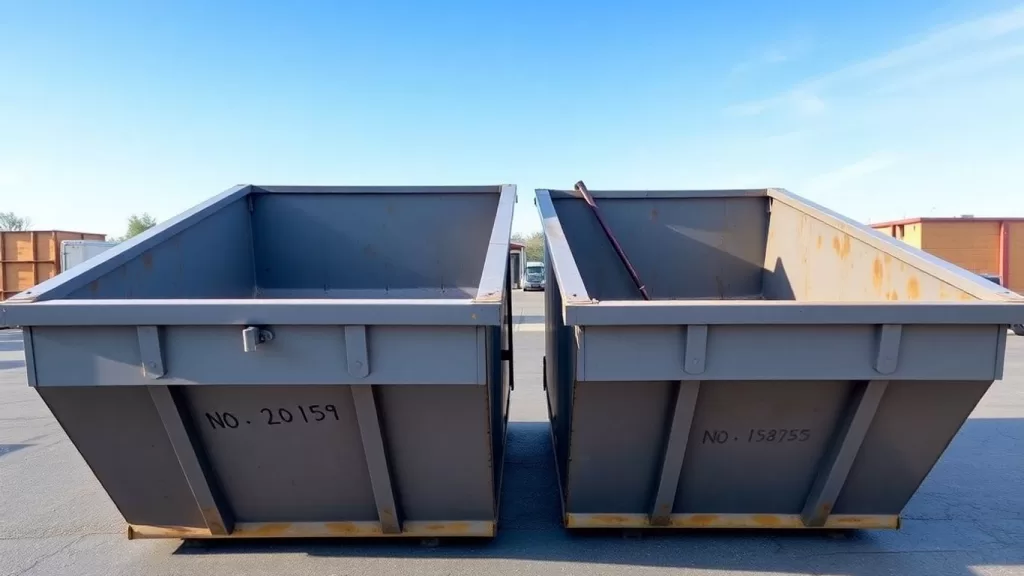
Trying to figure out if a 15-yard dumpster or a 20-yard one makes more sense? You’re not alone. They look similar at first glance, but that extra space can seriously affect how smoothly your project goes. Whether you’re tearing out a kitchen or just cleaning up the garage, picking the right size saves time, money, and stress. This guide keeps it simple—just the facts you need, minus the boring sales pitch. Let’s break it down so you don’t end up overpaying or needing a second bin.
Key Takeaways
- A 15-yard dumpster fits around 4.5 pickup loads, ideal for small cleanouts and tight spaces.
- The 20-yard bin fits about 6 pickup loads, better for remodels or larger projects.
- Both take up similar space but have different weight limits.
- If you’re unsure, the 20-yard offers more room without a huge price jump.
- Always check weight limits and ask your provider about accepted materials to avoid extra fees.
Why Choosing the Right Dumpster Size Matters for Projects
When you’re tackling a project, whether it’s a weekend garage cleanout or a full-blown kitchen remodel, getting the right dumpster is a big deal. It’s not just about having a place to toss your junk; it’s about making the whole process smoother and, honestly, cheaper. Picking a dumpster that’s too small means you’ll likely have to pay for another pickup or make extra trips to the dump yourself, which is a hassle nobody needs. On the flip side, renting a bin that’s way too big is just throwing money away for space you won’t even use.
Getting the dumpster size right from the start saves you time, money, and a whole lot of headaches. It’s all about comparing bin sizes to match your specific needs. Think about it like packing for a trip – you wouldn’t bring a massive suitcase for a one-night stay, right? The same logic applies here.
Here’s a quick look at what influences your choice:
- Type of Waste: Are you getting rid of light, bulky items like old furniture, or heavy stuff like concrete and dirt? Different materials have different weights and take up space differently.
- Amount of Waste: How much do you actually need to throw away? Estimating this is key. A small bathroom renovation will generate less debris than tearing down an old deck.
- Project Scope: Is this a minor decluttering or a major construction job? The scale of your project directly impacts the volume of waste you’ll produce.
Making an informed decision upfront prevents common pitfalls like overflowing bins or paying for unused capacity. It’s a simple step that has a big impact on your project’s success and your wallet.
The 20-Yard Bin: Capacity and Common Uses
So, you’re looking at a 20-yard bin for your project. That’s a solid choice for a lot of different jobs, and understanding what it can handle is key to avoiding headaches later on. Think of this size as the middle-ground workhorse – not too small to be useless, but not so massive that it’s overkill.
What Can Fit in a 20-Yard Dumpster Rental?
This bin offers a good amount of space, generally holding about six pickup truck loads worth of debris. It’s taller than its 15-yard cousin, which really helps when you’re dealing with bulkier items that might not fit easily into a shorter container. You can expect it to hold roughly 120 contractor bags of trash or about 180 wheelbarrow loads. It’s a versatile size that can accommodate a surprising amount of material.
Here’s a quick look at what typically fits:
- Home Renovations: Kitchen remodels, bathroom tear-outs (especially if you’re doing more than one), or redoing flooring in several rooms.
- Large Cleanouts: Clearing out a large basement, attic, or garage that hasn’t been touched in years.
- Roofing Projects: For smaller to medium-sized homes, a 20-yard bin can often handle the old shingles.
- Siding Replacement: If you’re re-siding a moderately sized house, this bin usually has enough capacity.
Ideal Projects for a 20-Yard Bin
When you’re planning a project, it’s easy to underestimate the amount of waste you’ll generate. The 20-yard dumpster rental is a popular option because it strikes a good balance. It’s often the go-to for:
- Major Home Decluttering: Think of those times you decide to tackle the entire house at once. This bin can handle the accumulated junk from multiple areas.
- Medium-Sized Renovations: If you’re updating a kitchen or a couple of bathrooms, this bin is usually sufficient. It can take old cabinets, countertops, drywall, and flooring.
- Demolition Debris: For smaller demolition jobs, like tearing down an old shed or a deck, the 20-yard bin is a good fit.
When considering the cost of 20-yard bin rental, remember that it’s usually a bit more than a 15-yard bin, but it can save you money if a smaller bin would have required a second rental. The 20-yard bin dimensions are typically around 20 feet long, 8 feet wide, and 4 feet high, though exact measurements can vary slightly by provider. It’s always a good idea to confirm the specific dimensions and weight limits with your bin rental company before booking.
The 15-Yard Bin Rental: Capacity and Common Uses
What Can Fit in a 15-Yard Bin?
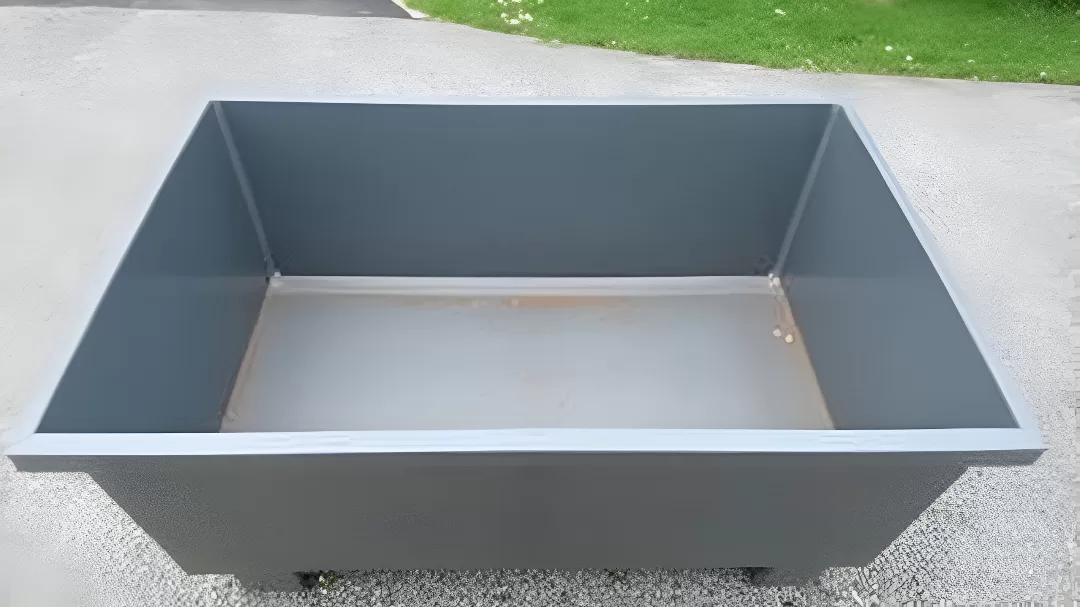
A 15-yard bin is a solid choice for a variety of projects, especially when you’re not dealing with massive amounts of heavy debris. Think of it as holding about 4 to 5 pickup truck loads worth of stuff. It’s a good step up from smaller bins if you’ve got a bit more to clear out. It can handle roughly 90 bags of trash or about 140 wheelbarrow loads. This size is often perfect for medium-sized cleanups and renovations.
Here’s a quick look at what it can typically hold:
- Furniture: A few pieces of old furniture, like a couch or a bed frame.
- Debris: Waste from a small bathroom remodel, like old tiles, drywall, and fixtures.
- Yard Waste: A good amount of branches, leaves, and other landscaping debris.
- Junk: General household junk from a garage or attic cleanout.
It’s important to remember that weight limits are also a factor. While it can hold a good volume, heavy materials like concrete or dirt are usually not allowed in a 15-yard bin because they can quickly exceed the weight capacity. Always check with your rental company about specific material restrictions.
Ideal Projects for a 15-Yard Bin
So, what kind of jobs is a 15-yard dumpster rental just right for? It really shines when you’re tackling projects that are more than a quick tidy-up but not quite a full-scale gut job.
- Garage or Basement Cleanouts: If you’re finally clearing out years of accumulated stuff, this bin is a great option. It can handle old boxes, forgotten tools, and general clutter.
- Small to Medium Renovations: Think remodeling a single bathroom, updating a small kitchen, or redoing a home office. You’ll likely generate enough waste to fill this size.
- Deck Removal: Taking down an old wooden deck? A 15-yard bin can usually accommodate the lumber and associated debris.
- Landscaping Projects: Major yard work, like clearing out overgrown bushes, removing old landscaping features, or preparing a garden bed, can produce a good amount of waste.
- Spring Cleaning: For those really ambitious deep cleans where you’re getting rid of furniture, old appliances (check restrictions!), and lots of clutter, this bin is a lifesaver.
When considering the cost of a 15-yard bin rental, it’s generally more affordable than its larger counterparts. However, underestimating your waste can lead to needing a second bin, which often costs more in the long run. It’s usually better to have a little extra space than not enough.
Comparing Dumpster Sizes: 20-Yard vs. 15-Yard Bin
So, you’re comparing dumpster sizes between a 15-yard and a 20-yard dumpster. They might seem pretty similar at first glance, but that extra space can make a real difference in how smoothly your project goes. Picking the right size isn’t just about fitting your junk; it can save you time, money, and a whole lot of hassle.
Capacity Comparison
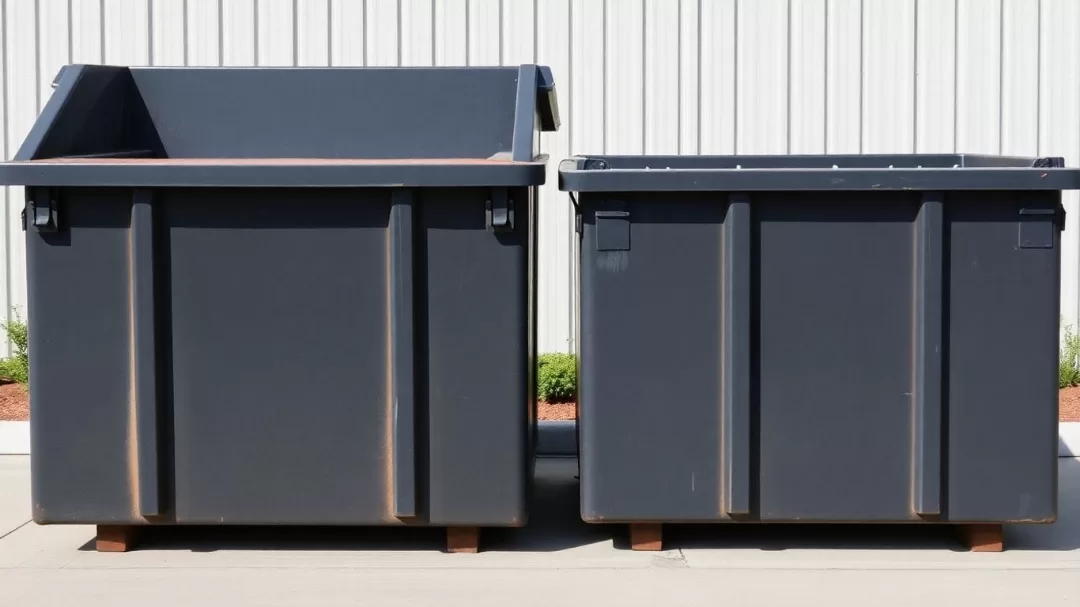
Think of it this way: a 15-yard dumpster is like having about 4.5 standard pickup truck loads of space. A 20-yard dumpster bumps that up to roughly 6 pickup truck loads. The main difference comes down to height. While they often share the same length and width, the 20-yard bin is usually about 1.5 feet taller. This extra vertical room is super helpful for bulky items that might not fit easily in a shorter bin, even if the overall volume seems similar.
Here’s a quick look at what they can hold:
- 15-Yard Bin: Around 4.5 pickup truck loads, 90 bags of trash, or 140 wheelbarrow loads.
- 20-Yard Bin: Around 6 pickup truck loads, 120 bags of trash, or 180 wheelbarrow loads.
The 20-yard bin offers significantly more room for bulky materials without a massive jump in footprint.
Cost Considerations
Generally, you’re looking at a price difference of about $50 to $100 between a 15-yard and a 20-yard dumpster, though this can vary based on your location and the rental company. A 15-yard might cost between $300-$450, while a 20-yard could be $350-$500. While the upfront cost is higher for the 20-yard, it can actually save you money if your project generates more waste than you initially thought. Having to rent a second, smaller dumpster because you underestimated your needs often ends up costing more than just getting the larger one from the start.
Always ask your rental company about what’s included in the price. Some companies bundle delivery, pickup, and disposal fees, while others charge separately. Understanding the fine print can prevent unexpected charges.
Space Requirements for Placement
Don’t worry too much about the footprint – both the 15-yard and 20-yard dumpsters typically take up about the same amount of space on your property, roughly the size of a mid-size car. You’ll need about 20-22 feet of clear space for the delivery truck to maneuver and place the bin. So, if you have room for one, you likely have room for the other. The main consideration here is accessibility. If you have a particularly tight driveway or a tricky spot, it’s always a good idea to send a photo to your rental provider before they deliver to avoid any placement headaches.
Making the Right Choice for Your Project
So, you’ve looked at the 15-yard and the 20-yard bins, and you’re still wondering which one is the better fit. It really boils down to a few key things. Think about what you’re actually getting rid of. Are we talking about old furniture and drywall from a bathroom remodel, or is it mostly lighter stuff like yard waste and general household junk? The type of debris makes a big difference in how much space it takes up.
Don’t underestimate the volume of your waste; it’s better to have a little extra room than to run out halfway through.
Here’s a quick breakdown to help you decide:
- Project Scope: A small garage cleanout or a single room renovation might be fine with a 15-yard. But if you’re tackling a whole house declutter, a major kitchen remodel, or even something like a deck tear-down, that 20-yard bin is likely your best bet. For larger projects like home renovations, construction, or deck tear-downs, a 20-yard roll-off dumpster is often the most suitable choice for scrap metal projects.
- Debris Type: Heavy materials like concrete, bricks, or dirt can fill up a bin quickly by weight, even if they don’t take up much visual space. Lighter, bulkier items like furniture, mattresses, or construction debris might need the extra volume of a 20-yard bin.
- Budget and Convenience: While the 20-yard bin might cost a bit more upfront, it can save you money and hassle if you avoid needing a second dumpster rental because the first one was too small. Consider the cost of an extra rental versus the slightly higher price of the larger bin.
When in doubt, it’s often wise to size up. Running out of space mid-project is a common headache that can delay your work and add unexpected costs. The extra capacity of a 20-yard bin can provide peace of mind.
Think about where the dumpster will be placed, too. Both sizes generally take up about the same amount of space on your driveway, roughly the size of a mid-size car. However, if you have tight access or specific placement needs, it’s always a good idea to confirm with your rental provider. Getting the right size from the start means a smoother, less stressful cleanup process.
Wrapping It Up
So, when it comes down to it, picking between a 15-yard and a 20-yard dumpster really just depends on what you’re getting into. For smaller jobs, like cleaning out the garage or a quick room declutter, the 15-yard usually does the trick. It’s a bit more budget-friendly and still holds a decent amount of stuff. But if you’re tackling something bigger, like a kitchen remodel or clearing out an entire basement, that extra space in the 20-yard bin can save you a lot of headaches. It might cost a little more upfront, but it often means avoiding a second rental or dealing with an overflowing bin. Honestly, if you’re on the fence, it’s usually safer to go with the 20-yard. That little bit of extra room can make a big difference in keeping your project moving smoothly.
Frequently Asked Questions
How much stuff can I actually fit in a 15-yard versus a 20-yard dumpster?
Think of it this way: a 15-yard dumpster is like fitting about 4.5 pickup truck loads of trash. A 20-yard dumpster can hold about 6 pickup truck loads. So, if you’ve got bigger, awkward items like old furniture or lots of building scraps, the 20-yard gives you more breathing room.
Can I put heavy things like concrete or bricks in these dumpsters?
You can, but you have to be careful about the weight. Heavy stuff like concrete, bricks, or dirt adds up really fast. Always check with the rental company about their weight limits, because going over can cost you extra money.
Will these dumpsters fit in my driveway?
Yes, both the 15-yard and 20-yard dumpsters usually take up about the same amount of space as a regular car. Just make sure you clear the area where you want it dropped off before it arrives.
What happens if I choose the wrong size dumpster?
If you pick a dumpster that’s too small, you’ll likely have to pay for another pickup or a second dumpster, which costs more. If you pick one that’s too big, you’ll just end up paying a little extra for space you didn’t use, but it’s usually cheaper than needing a second bin.
How do the prices compare between a 15-yard and a 20-yard dumpster?
Generally, a 20-yard dumpster costs a bit more than a 15-yard one. However, the price difference often isn’t huge, and getting the slightly larger 20-yard can save you money in the long run if it means avoiding a second rental.
What kind of projects are best for a 15-yard dumpster?
A 15-yard dumpster is great for smaller jobs like cleaning out a garage, getting rid of yard waste, or handling debris from a minor home repair or a single room renovation. It’s also a good choice if you have limited space for the dumpster itself.